Blog

  • Fandom Unleashed: The Power of Pop Culture Communities

    Fandom Unleashed: The Power of Pop Culture Communities

    Fandoms have become a global cultural phenomenon, uniting fans around shared interests. In this article, we’ll explore the concept of fandoms, their significance, and how they shape modern pop culture.

    Introduction:
    Fandoms are passionate communities of fans who share a deep interest in a specific aspect of pop culture, whether it’s a movie franchise, a TV series, a book series, or a video game. These communities are not only enthusiastic but also influential in shaping the trajectory of pop culture. Let’s delve into the power and significance of fandoms:

    1. Shared Passion:
      Fandoms are united by their shared passion for a particular piece of pop culture. They celebrate the stories, characters, and worlds they love.
    2. Online and Offline Communities:
      Fandoms exist both online and offline. Social media, forums, conventions, and fan clubs provide spaces for fans to connect and share their enthusiasm.
    3. Fandom Language:
      Each fandom often develops its own language, inside jokes, and memes that are incomprehensible to outsiders.
    4. Fan Theories and Analysis:
      Fandoms engage in deep analysis and speculation about their favorite media, creating intricate fan theories and interpretations.
    5. Fan Works:
      Fans create a plethora of fan fiction, fan art, fan videos, and other creative works inspired by their favorite stories.
    6. Influence on Creators:
      Fandoms can have a substantial impact on the creators of the media they love. Some creators listen to fan feedback and adapt their work accordingly.
    7. Social and Identity Aspect:
      Fandoms provide a sense of belonging and identity for their members. They connect people who might not have otherwise met.
    8. Fandom Activism:
      Some fandoms use their collective power for social activism, advocating for important causes and charitable endeavors.
    9. Cons and Events:
      Fandom conventions and events are hubs of fan activity, bringing enthusiasts together to celebrate their passions.
    10. Expansion of Canon:
      In some cases, creators integrate elements from fan works into official canon, acknowledging the creativity of the fandom.

    Case Study: The “Harry Potter” Fandom

    The “Harry Potter” fandom is one of the largest and most enduring. Fans of J.K. Rowling’s series have created a vast universe of fan fiction, art, and conventions, keeping the magic alive long after the series concluded.

    Conclusion:
    Fandoms are more than just fan clubs; they are thriving, passionate communities that celebrate and influence pop culture. They connect people, inspire creativity, and advocate for positive change.

  • Economic Trends to Watch: What Investors Need to Know

    Economic Trends to Watch: What Investors Need to Know

    Investors rely on understanding economic trends to make informed decisions. In this article, we’ll explore the economic trends that can impact investment strategies and provide insights on what investors need to know.

    Introduction:
    Economic trends play a pivotal role in shaping investment strategies and decisions. Being aware of these trends and their potential impact on the financial landscape is crucial for investors. In this article, we’ll explore key economic trends that investors should watch and what they need to know:

    1. Economic Indicators:
      An overview of key economic indicators, such as GDP growth, unemployment rates, and inflation, and their significance for investors.
    2. Interest Rates:
      The influence of interest rates set by central banks on borrowing costs, bond yields, and investment returns.
    3. Technological Advancements:
      How emerging technologies and innovations can create investment opportunities in sectors like artificial intelligence, renewable energy, and biotechnology.
    4. Demographics:
      The impact of changing demographics on various industries and investment opportunities, including the aging population and its effects on healthcare and retirement-related investments.
    5. Environmental, Social, and Governance (ESG) Investing:
      The growing importance of ESG criteria in investment decisions and how it aligns with changing consumer and investor preferences.
    6. Global Trade and Geopolitics:
      The influence of international trade agreements, tariffs, and geopolitical events on investment markets.
    7. Real Estate and Urbanization:
      The impact of urbanization trends and real estate opportunities in growing cities.
    8. Consumer Behavior:
      Understanding shifts in consumer behavior, such as e-commerce adoption, that affect investment in retail and technology sectors.
    9. Healthcare and Biotechnology:
      Exploring the impact of healthcare advancements and trends in biotechnology on investment opportunities.
    10. Investment Strategies in Changing Times:
      Adapting investment strategies to align with evolving economic trends and market conditions.

    Case Study: Technology-Driven Investment Opportunities

    A case study will highlight how investors can leverage technological advancements and trends to identify investment opportunities and achieve long-term growth.

    Conclusion:
    Economic trends are dynamic and can significantly influence investment decisions. Staying informed about these trends and their implications is essential for investors to make informed choices and optimize their investment portfolios.

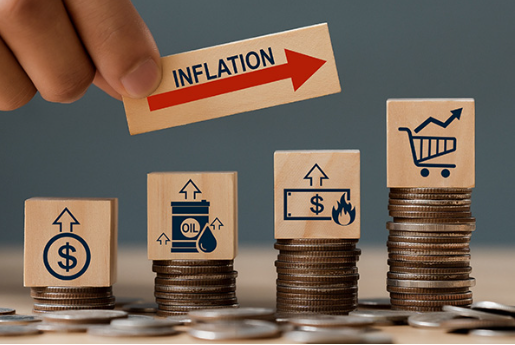
  • The Impact of Inflation on Your Savings and Investments

    The Impact of Inflation on Your Savings and Investments

    Inflation is a fundamental economic concept that can significantly impact your savings and investments. In this article, we’ll explore what inflation is, how it affects your money, and strategies to mitigate its impact.

    Introduction:
    Inflation is a force that erodes the purchasing power of your money over time. Understanding its impact is essential for managing your savings and investments effectively. In this article, we’ll delve into the impact of inflation on your finances and how to mitigate its effects:

    1. What Is Inflation:
      Defining inflation and how it is measured, including the Consumer Price Index (CPI).
    2. The Impact on Purchasing Power:
      Exploring how inflation decreases the real value of your money, making it less effective for purchasing goods and services.
    3. Historical Inflation Rates:
      Examining historical inflation rates and their impact on savings and investments.
    4. Savings and Inflation:
      The effect of inflation on the purchasing power of your savings in bank accounts, certificates of deposit, and other low-yield savings vehicles.
    5. Investments and Inflation:
      How inflation affects the returns on investments, such as stocks, bonds, and real estate.
    6. Strategies to Mitigate Inflation’s Impact:
      Practical strategies to protect your savings and investments from the erosive effects of inflation, including investing in assets that typically outpace inflation.
    7. Diversification:
      The role of diversification in your investment portfolio to hedge against inflation risks.
    8. TIPS (Treasury Inflation-Protected Securities):
      An introduction to TIPS as an investment option designed to keep pace with inflation.
    9. Investing in Real Assets:
      Exploring investments in real assets like real estate and commodities, which often provide a hedge against inflation.
    10. Regular Monitoring:
      The importance of regularly monitoring your investments and adjusting your strategy in response to changing economic conditions.

    Case Study: Long-Term Impact of Inflation

    A case study will illustrate the long-term effects of inflation on both savings and investments, highlighting the importance of taking action to combat inflation’s eroding effects.

    Conclusion:
    Inflation is an economic force that can significantly impact your financial well-being. By understanding its effects and implementing strategies to mitigate them, you can protect your savings and investments from the erosive impact of inflation.

  • Financial Literacy for Kids: Teaching Money Skills from an Early Age

    Financial Literacy for Kids: Teaching Money Skills from an Early Age

    Financial literacy is an essential life skill that should be taught from a young age. In this article, we’ll explore the importance of teaching kids about money, age-appropriate financial lessons, and how to instill good money habits.

    Introduction:
    Financial literacy is a vital skill that has a profound impact on a person’s financial well-being. To equip children for a successful financial future, it’s crucial to start teaching them about money from an early age. In this article, we’ll explore the significance of financial literacy for kids and provide age-appropriate financial lessons:

    1. Why Financial Literacy for Kids Matters:
      Exploring the long-term benefits of teaching children about money management.
    2. Age-Appropriate Money Lessons:
      Providing age-specific financial lessons for preschoolers, elementary school children, middle schoolers, and high school students.
    3. Saving and Budgeting:
      Teaching kids the importance of saving money and creating a simple budget.
    4. Earning Money:
      Introducing kids to the concept of earning money through chores, allowances, or part-time jobs.
    5. The Value of Money:
      Helping children understand that money is earned through work and has finite value.
    6. Banking Basics:
      Explaining the role of banks, savings accounts, and the concept of interest.
    7. Money Management Tools:
      Introducing kids to tools like piggy banks and digital apps that can assist with money management.
    8. Responsible Spending:
      Teaching kids how to make responsible spending choices and differentiate between needs and wants.
    9. Giving and Philanthropy:
      Instilling the value of giving back to the community and helping others through charitable activities.
    10. Role Modeling:
      The importance of parents and caregivers modeling responsible financial behavior and open conversations about money.

    Case Study: The Importance of Early Financial Education

    A case study will demonstrate the positive impact of early financial education on a child’s financial habits and decision-making.

    Conclusion:
    Financial literacy is a lifelong skill, and teaching kids about money from an early age sets the foundation for responsible money management. By imparting age-appropriate financial lessons and fostering a healthy money mindset, you can equip children for a financially secure future.

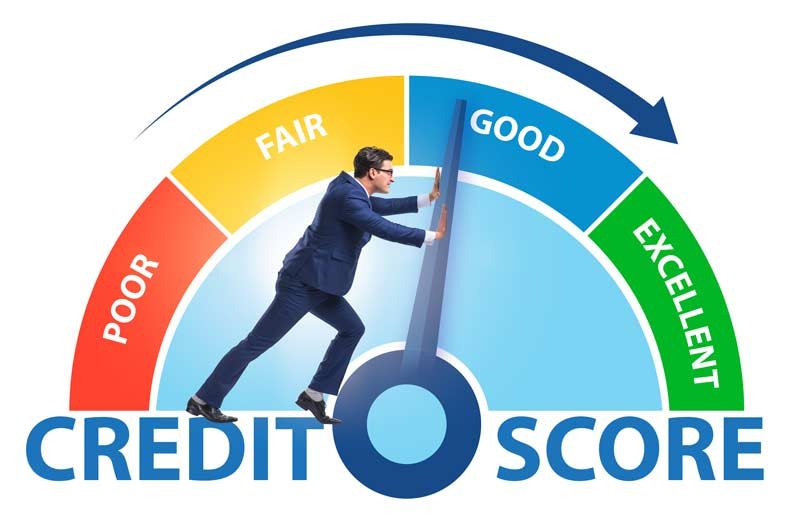
  • Credit Scores Demystified: How to Improve Your Credit Health

    Credit Scores Demystified: How to Improve Your Credit Health

    Your credit score is a crucial financial metric that impacts your ability to access loans and financial opportunities. In this article, we’ll demystify credit scores, explain how they work, and provide tips to improve your credit health.

    Introduction:
    Your credit score is a key component of your financial health, influencing your ability to secure loans, credit cards, and more. In this article, we’ll demystify credit scores, explore how they work, and offer practical tips to improve your credit health:

    1. Understanding Credit Scores:
      Explaining what credit scores are and why they matter in financial transactions.
    2. Factors That Influence Credit Scores:
      Discussing the key factors that impact your credit score, including payment history, credit utilization, length of credit history, types of credit, and new credit.
    3. Checking Your Credit Report:
      The importance of regularly checking your credit report for accuracy and detecting potential issues.
    4. Improving Payment History:
      Tips for making on-time payments and avoiding late payments or defaults.
    5. Managing Credit Utilization:
      Strategies for maintaining a healthy credit utilization ratio by managing credit card balances.
    6. Building a Positive Credit History:
      Establishing a positive credit history through responsible credit use and maintaining accounts in good standing.
    7. Types of Credit:
      Exploring different types of credit, including revolving credit (credit cards) and installment credit (loans), and their impact on your credit score.
    8. Repairing Credit:
      Steps to take if you have a poor credit history, including addressing errors on your credit report and negotiating with creditors.
    9. Credit Building Strategies:
      Establishing a plan to build or rebuild your credit, including secured credit cards and credit builder loans.
    10. Credit Counseling:
      When and how to seek credit counseling or professional assistance to improve your credit health.

    Case Study: Credit Score Improvement

    A case study will illustrate how someone with a lower credit score took specific steps to improve their credit health and raise their credit score, opening up new financial opportunities.

    Conclusion:
    Improving your credit health is a crucial step toward securing financial stability and access to better financial opportunities. By following the tips and guidance in this article, you can work toward a healthier credit score and a more secure financial future.

  • The Power of Passive Income: Building Wealth While You Sleep

    The Power of Passive Income: Building Wealth While You Sleep

    Passive income is a financial strategy that can provide long-term wealth and financial freedom. In this article, we’ll explore the concept of passive income, its benefits, and various sources for generating it.

    Introduction:
    Passive income is the holy grail of financial independence—it allows you to make money while you sleep. It’s an income stream that doesn’t require your active daily involvement. In this article, we’ll delve into the power of passive income, including its benefits and sources:

    1. What Is Passive Income:
      Defining passive income and differentiating it from active income.
    2. Benefits of Passive Income:
      Exploring the advantages of passive income, such as financial security, time freedom, and reduced reliance on traditional employment.
    3. Types of Passive Income Sources:
      Investigating various sources of passive income, including investments, real estate, online businesses, and royalties.
    4. Dividend Stocks:
      Understanding the concept of dividend stocks, where companies distribute a portion of their earnings to shareholders.
    5. Rental Properties:
      Exploring real estate as a source of passive income, including rental properties and real estate investment trusts (REITs).
    6. Online Businesses:
      Venturing into online businesses, such as blogging, affiliate marketing, and e-commerce, that can generate passive income.
    7. Investments:
      Investing in stocks, bonds, mutual funds, and other assets that can provide passive income through dividends and interest.
    8. Intellectual Property:
      Earning royalties from intellectual property, such as books, music, patents, and trademarks.
    9. Peer-to-Peer Lending:
      Participating in peer-to-peer lending platforms to generate passive income through interest payments.
    10. Automation and Delegation:
      Leveraging automation and outsourcing to reduce active involvement in your passive income sources.

    Case Study: Real Estate Investing

    Real estate is a classic example of a passive income source. Owning rental properties can provide a consistent stream of rental income, allowing you to accumulate wealth over time.

    Conclusion:
    Passive income is a powerful strategy for building wealth and achieving financial freedom. By exploring various passive income sources and understanding their benefits, you can work towards financial independence and enjoy a more secure financial future.

  • Ludo Online: The Ultimate Guide to Winning the Classic Board Game

    Ludo Online: The Ultimate Guide to Winning the Classic Board Game

    Ludo, a timeless board game enjoyed by players of all ages, has seamlessly transitioned into the digital Ludo real cash games. Whether you’re a seasoned player or new to the game, mastering Ludo online requires strategy and patience. This comprehensive guide will equip you with everything you need to know to dominate the virtual Ludo board.

    Ludo, the classic board game that has entertained generations, has found new life in the digital era. With its easy-to-learn rules and engaging gameplay, Ludo Online has attracted millions of players from around the globe. Whether you’re reliving childhood memories or exploring the game for the first time, the online version brings fresh excitement and competition to this timeless favourite.

    But winning in Ludo isn’t just about rolling the dice—it requires a mix of strategy, timing, and smart decision-making. In this ultimate guide, we’ll walk you through essential tips, tricks, and strategies to sharpen your skills and boost your chances of victory. From mastering the basics to advanced tactics, you’ll soon be playing like a Ludo champion!

     Understanding the Basics

    Ludo is a game of strategy and skills played with 2 to 4 players. The goal is simple: race your four tokens from start to finish, navigating around the board based on the roll of a die.

    1. Game Setup: Each player selects a colour and starts with four tokens in their corresponding base.

    2. Gameplay Mechanics: Players take turns rolling a die and moving their tokens clockwise around the board. Tokens can only leave the base by rolling a 6 in certain matches.

    3. Safe Zones: The centre of the board features safe zones where tokens are immune from capture by opponents.

     Strategies for Success

    1. Opening Moves: Start by prioritizing getting all your tokens into play. In some matches, a roll of 6 gets a token out of the base, so aim for this early on.

    2. Blockades: Strategically place your tokens to block opponents from advancing. This tactic can disrupt their progress and buy them time.

    3. Utilizing Safe Zones: Use safe zones to protect your tokens from capture. Tokens in safe zones are safe from being sent back to the base.

    4. Token Distribution: Spread your tokens out to increase your chances of moving at least one token forward each turn. The balance between advancing and defending.

     Advanced Tactics

    1. Timing Your Moves: Know when to risk moving a token out versus consolidating your position. Sometimes it’s better to wait for a safer opportunity.

    2. Capitalizing on Opponent Mistakes: Watch for opportunities where opponents leave tokens vulnerable to capture or fail to utilize their safe zones effectively.

    3. Doublets Strategy: When rolling doublets (e.g., two 3s), you get an extra turn. Plan ahead to maximize the advantage of consecutive rolls.

     Playing Ludo Online

    1. Choose Your Platform: Select a reputable online platform or app for playing Ludo. Consider features like smooth gameplay, safety, security, and tournament availability.

    2. Practice Mode: Start with practice matches to get familiar with the online interface and test different strategies.

    3. Join Tournaments: Participate in online tournaments for more competitive gameplay and the chance to win rewards.

     Etiquette and Sportsmanship

    1. Respect Fellow Players: Practice good sportsmanship by being courteous and respectful to opponents, regardless of the game’s outcome.

    2. Game Integrity: Avoid cheating or using unfair advantages. Uphold the integrity of the game for an enjoyable experience for all players.

     Conclusion

    Mastering Ludo online involves mastering both strategic thinking and adaptability to unpredictable dice rolls. Whether you’re playing for fun or aiming to compete at a higher level, honing your skills through practice and learning from each game will ultimately lead to becoming a formidable Ludo player online.

    Embrace the challenge, strategize wisely, and may your tokens reach the finish line first in every game of Ludo you play online!

  • Determining How Dog CBD Boosts Neurological Health

    Determining How Dog CBD Boosts Neurological Health

    The neurological health of dogs is a critical aspect of their overall well-being, influencing everything from behavior to mobility. Dog CBD has emerged as a promising natural remedy to support brain function and protect against neurological disorders. With its non-psychoactive properties, CBD offers a safe and effective way to enhance the neurological health of our canine companions.

    Let’s explore five key ways CBD contributes to a healthier, happier brain for dogs.

    Reduces seizure frequency

    CBD has gained significant attention for its ability to reduce seizures in dogs with epilepsy and other neurological disorders. Studies have shown that CBD can decrease the frequency and severity of seizures, providing relief for dogs that do not respond well to traditional anti-seizure medications. This makes CBD a valuable option for managing epilepsy and improving the quality of life for dogs with this challenging condition.

    Protects brain cells

    CBD possesses neuroprotective properties that can safeguard the brain cells of dogs from damage. It helps by reducing oxidative stress and preventing the death of brain cells, which is crucial for preventing cognitive decline and supporting overall brain health. This protective effect can be particularly beneficial for aging dogs or those at risk of neurodegenerative diseases.

    Promotes neurogenesis

    Emerging research suggests that CBD may promote the growth of new brain cells, a process known as neurogenesis. This is especially important in areas of the brain associated with memory and learning. By encouraging neurogenesis, CBD can help maintain cognitive functions in dogs, keeping them sharp and responsive as they age.

    Eases anxiety and stress

    CBD has been shown to have a calming effect on the nervous system, reducing anxiety and stress in dogs. It works by interacting with receptors in the brain that regulate mood and emotional response. This can be particularly helpful for dogs with anxiety disorders, helping them to feel more relaxed and secure in their environment.

    Improves sleep quality

    A good night’s sleep is essential for neurological health, and CBD can help improve sleep quality in dogs. By promoting relaxation and reducing anxiety, CBD can help dogs achieve a more restful and restorative sleep, which is crucial for brain function and overall health.

    To conclude

    As research continues to uncover the many ways CBD can benefit our canine friends, it’s clear that this natural remedy has a significant role to play in maintaining their neurological well-being. Always consult with a veterinarian before starting any new supplement to ensure it’s the right choice for your dog’s specific health needs.

  • Top ABM Agencies to Consider for Your Next Marketing Campaign

    Top ABM Agencies to Consider for Your Next Marketing Campaign

    Are you looking to take your marketing campaign to the next level with Account-Based Marketing (ABM)? Finding the right ABM agency can make all the difference in reaching your target audience and converting leads into loyal customers. In this article, we will explore some top ABM agencies that you should consider for your next marketing campaign.

    What are ABM Agencies?

    ABM agencies specialize in crafting personalized marketing strategies that target specific accounts or companies. Instead of casting a wide net, ABM allows you to focus your efforts on high-value accounts that are more likely to convert. These agencies use a combination of data analysis, technology, and creativity to deliver tailored messages to key decision-makers within your target accounts.

    Why Choose a Top ABM Agency?

    Working with a top ABM agency can give you a competitive edge in reaching and engaging with your target accounts. These agencies have experience and expertise in ABM strategies and can help you maximize your ROI. By partnering with a top ABM agency, you can leverage their knowledge and resources to create campaigns that are highly targeted and effective.

    Key Considerations When Choosing an ABM Agency

    Before selecting an ABM agency for your next marketing campaign, consider the following factors:

    • Experience: Look for agencies with a proven track record of success in ABM campaigns.
    • Expertise: Choose an agency that specializes in ABM and understands the unique challenges of this approach.
    • Authority: Consider agencies that are recognized leaders in the ABM space.
    • Trust: Select an agency that you can trust to deliver results and meet your marketing objectives.

    Top ABM Agencies to Consider

    1. Demandbase
      Demandbase is a top ABM agency known for its innovative approach to personalized marketing. With a range of ABM solutions, including advertising, personalization, and insights, Demandbase can help you target and engage with key accounts effectively.
    2. Terminus
      Terminus is another leading ABM agency that offers a comprehensive platform for executing targeted campaigns. Their account-based advertising and analytics solutions can help you reach the right accounts at the right time with the right message.
    3. RollWorks
      RollWorks specializes in account-based marketing and offers a suite of tools to identify, engage, and convert target accounts. Their ABM platform leverages data and AI to deliver personalized experiences that drive conversions.
    4. 6sense
      6sense is a top ABM agency that uses predictive analytics to identify and prioritize high-intent accounts. Their account-based orchestration platform helps you deliver the right message to the right accounts at the right time.

    Conclusion

    When it comes to your next marketing campaign, choosing the right ABM agency is crucial for success. By selecting a top agency with experience, expertise, authority, and trust, you can maximize your ROI and drive meaningful results. Consider the top ABM agencies mentioned in this article and take your marketing to the next level with personalized, targeted campaigns. Stand out from the competition and see real results with ABM.

  • Unlocking the Mystery of Satta Matka-A Comprehensive Guide

    Unlocking the Mystery of Satta Matka-A Comprehensive Guide

    1. Introduction to Satta Matka: Satta Matka is a popular form of gambling that originated in India in the 1950s. It involves betting on numbers and their combinations to win a hefty sum of money.

    2. Origin and Evolution: Originally, Satta Matka involved betting on the opening and closing rates of cotton transmitted from the New York Cotton Exchange to the Bombay Cotton Exchange.

    3. How Satta Matka Works: Players choose a set of numbers and place their bets. The winning number combination is then declared, and winners are rewarded according to the odds set by the bookies.

    4. The Role of Bookies: Bookies act as intermediaries between players and the game. They accept bets and ensure payouts to the winners.

    5. Types of Satta Matka Games: There are various types of Satta Matka games, including Kalyan Matka, Milan Day, Rajdhani Night, and more.

    6. Understanding Matka Result: The Matka result is the outcome of the game, revealing the winning number combination and the winners of the game.

    7. Strategies for Playing Satta Matka: While Satta Matka is largely a game of chance, players often develop strategies based on historical data and trends to improve their chances of winning.

    8. Risks Associated with Satta Matka: Satta Matka involves significant risks, including addiction, financial loss, and legal consequences due to its illegal status in many countries.

    9. The Rise of Online Satta Matka Platforms: With the advent of the internet, Satta Matka has gone digital, with online platforms offering the game to a wider audience.

    10. The Legality Debate: The legality of Satta Matka varies from country to country. While it is illegal in India, some countries have legalized and regulated it.

    11. Impact on Society: Satta Matka has both positive and negative impacts on society, with some communities benefitting from the revenue generated, while others suffer from addiction and financial ruin.

    12. Famous Personalities Associated with Satta Matka: Over the years, several individuals have become synonymous with Satta Matka due to their involvement or success in the game.

    13. Popular Myths and Misconceptions: There are many myths and misconceptions surrounding Satta Matka, which often influence players’ beliefs and behaviors.

    14. The Role of Luck: Luck plays a significant role in Satta Matka, with players often attributing their wins or losses to good or bad luck.

    15. Responsible Gambling Practices: It is essential for players to practice responsible gambling by setting limits on their bets, knowing when to stop, and seeking help if they develop a gambling problem.

    16. Impact of Technology: Advancements in technology have transformed the way Satta Matka is played, making it more accessible and convenient for players.

    17. Matka Guessing: Matka guessing involves predicting the winning number combination based on various factors such as previous results, mathematical calculations, and intuition.

    18. Tips for Beginners: For beginners, it is crucial to understand the rules of the game, start with small bets, and learn from experienced players.

    19. Matka Charts and Records: Matka charts and records are used by players to analyze patterns and trends in previous results, helping them make informed decisions while placing bets.

    20. Social Implications: Satta Matka has social implications, affecting relationships, families, and communities, especially in regions where it is prevalent.

    21. Impact on Economy: The Satta Matka industry generates significant revenue, contributing to the economy through taxes and employment opportunities.

    22. The Future of Satta Matka: The future of Satta Matka remains uncertain, with advancements in technology and changing regulations shaping its trajectory.

    23. Ethical Considerations: There are ethical considerations surrounding Satta Matka, including its impact on vulnerable populations and the morality of profiting from gambling.

    24. Cultural Significance: Satta Matka holds cultural significance in certain communities, with rituals and traditions associated with the game.

    25. In conclusion, Satta Matka is a fascinating yet controversial form of gambling with a rich history and cultural significance. While it offers the thrill of uncertainty and the allure of big wins, it also carries significant risks and social implications that cannot be ignored. As players, regulators, and society as a whole grapple with its complexities, it is essential to approach Satta Matka with caution, responsibility, and awareness of its impact.