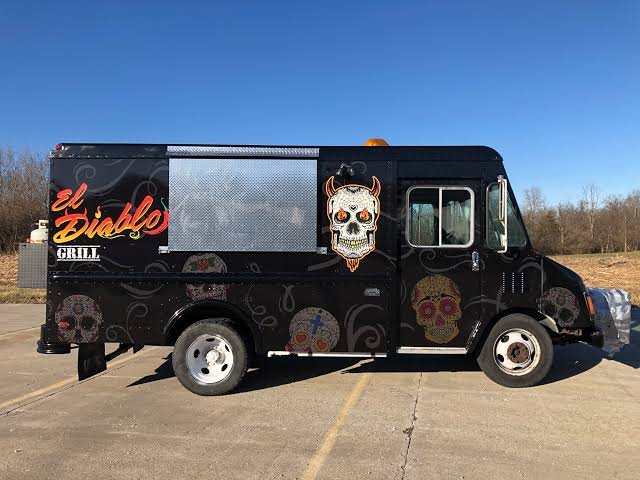
A car’s appearance says a lot about its owner. Some people like a deep, glossy finish that looks freshly polished. Others want something more distinctive, perhaps a satin color, a textured surface, or a bold design that makes the vehicle feel completely different. Then there are drivers who aren’t interested in changing the look at all. They simply want to keep the original paint looking good for as long as possible.
Fortunately, modern automotive surface protection and styling products offer options for all three. Vinyl wraps, specialty finishes, and paint protection films each serve a different purpose. Understanding those differences makes it easier to choose a product that fits your vehicle, budget, and everyday driving habits.
What Is a Vinyl Wrap?
A vinyl wrap is a thin, flexible film applied over a vehicle’s painted surfaces. It can change the car’s color, finish, or overall appearance without requiring a permanent repaint. Wraps are available in glossy, matte, satin, metallic, color-shifting, and textured styles.
For someone who wants a visual transformation, 3m vinyl wrap is a popular option worth exploring. 3M is known for producing automotive films in a range of finishes, and its wrapping materials are used by professional installers for both personal vehicles and commercial applications. The quality of the final result, however, depends on more than the brand. Surface preparation, film selection, installation technique, and maintenance all play a part.
A wrap can be especially appealing if you enjoy changing your vehicle’s style. Maybe you bought a car in a practical factory color but always wanted something more expressive. Or perhaps you want to refresh an older finish without committing to a full respray. A professionally installed wrap can offer that flexibility.
Still, it’s important to remember that vinyl is not indestructible. Sharp objects, rough washing methods, prolonged exposure to harsh conditions, and poorly prepared paint can affect its appearance and lifespan.
Carbon Fiber Wrap: Style Without the Full Carbon Fiber Cost
Carbon fiber has a distinctive woven appearance that many car enthusiasts associate with performance vehicles and motorsport-inspired design. Genuine carbon fiber components can be expensive, especially when they’re made for structural or weight-saving purposes. A carbon-look film offers a more accessible way to recreate that visual effect.
A carbon fiber wrap can be applied to selected areas such as mirror caps, roof panels, dashboards, spoilers, center consoles, or exterior trim. It doesn’t provide the structural strength or weight reduction of real carbon fiber, but that isn’t its purpose. Its appeal is mainly visual.
This makes it useful for drivers who want subtle customization rather than a complete color change. A black carbon-look roof, for example, can add contrast to a lighter-colored vehicle. Interior trim wrapped in a realistic textured film may give an aging cabin a more modern feel.
The quality of carbon fiber films varies considerably. Some have a convincing woven pattern and depth, while cheaper materials may look overly glossy or artificial. Before choosing one, look at samples in natural light. A finish that looks impressive under showroom lighting might feel different outdoors.
What Is PPF Paint Protection Film?
While vinyl wrap focuses primarily on appearance, ppf paint protection film is designed to help protect a vehicle’s original paint from certain types of everyday damage. PPF is typically a thicker, transparent or lightly tinted film made from materials such as thermoplastic polyurethane.
It is commonly applied to high-impact areas, including the front bumper, hood, fenders, side mirrors, and door edges. These sections are more likely to encounter road debris, small stones, insects, and light surface abrasions.
Some modern PPF products also include self-healing properties. Under suitable conditions, minor surface marks in the film may diminish with warmth, helping maintain a smoother appearance. That doesn’t mean the film can repair deep cuts or prevent every kind of damage, though. Expectations should remain realistic.
PPF is particularly attractive for owners who want to preserve a factory paint finish. This may matter even more on vehicles with unusual colors, premium finishes, or expensive paint options. Repainting a damaged panel can be costly, and matching the original finish isn’t always straightforward.
Vinyl Wrap vs. PPF: Which One Fits Your Needs?
The right choice depends on what you’re trying to achieve.
If your main goal is to change the vehicle’s color or add a custom appearance, vinyl wrap is generally the more relevant option. It offers creative freedom and can cover large areas with a wide range of finishes.
If your priority is protecting the original paint from road-related wear, PPF is usually the better fit. It is made for protection rather than dramatic visual transformation.
Some vehicle owners choose to use both. For example, a color-changing vinyl wrap may be installed for styling, while PPF is applied to selected high-contact areas or over certain compatible surfaces. The suitability of combining products depends on the materials, installation process, and manufacturer guidance.
Cost is another consideration. Pricing varies based on the vehicle’s size, the amount of surface covered, the film selected, the complexity of the bodywork, and the installer’s experience. A low quote isn’t always a bargain if it leads to lifting edges, bubbles, uneven seams, or premature failure.
Installation and Maintenance Matter More Than People Think
Even premium film can look disappointing when installed carelessly. Before application, the vehicle should be thoroughly cleaned and inspected. Existing paint damage, rust, peeling clear coat, or poorly repaired panels may affect adhesion and the final appearance.
A skilled installer knows how to work around curves, handles, badges, sensors, trim, and panel gaps. They also understand how to minimize visible seams and avoid stretching the material beyond its intended limits.
Once installed, maintenance should follow the film manufacturer’s recommendations. Gentle hand washing is often preferable to aggressive brushes or harsh chemicals. Automatic car washes, pressure washing too close to edges, and abrasive cleaning products can create problems over time.
It’s also wise to address damage early. A lifted edge or small tear may become more noticeable if dirt and moisture get underneath the film. Regular inspections can help preserve the finish and prevent minor issues from becoming larger ones.
Think Long-Term Before You Customize
A vehicle wrap or protective film is an investment in how your car looks and, in some cases, how its original finish is maintained. Before choosing a product, consider how long you plan to keep the vehicle, where it is parked, how often you drive, and whether you prefer bold customization or understated protection.
Ask the installer about expected durability, warranty coverage, removal procedures, and compatibility with your vehicle’s paint. These details may not sound exciting, but they can save frustration later.
Ultimately, there isn’t one universal solution for every driver. Vinyl wrap gives you room to experiment. Carbon-look finishes add texture and personality. PPF helps preserve the paint beneath it. When you choose based on your actual needs rather than appearance alone, the result is more likely to stay satisfying long after the initial installation.