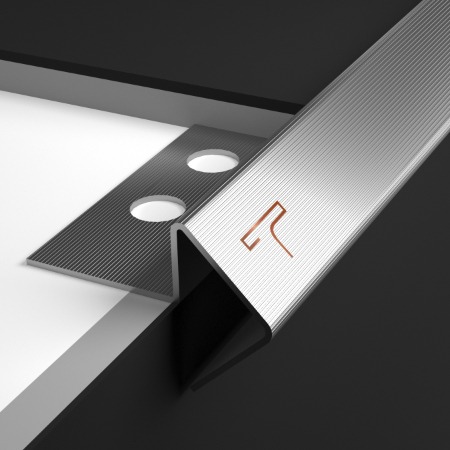
Stainless steel tile edging profiles are an essential component in any modern construction or renovation project. These profiles not only provide a sleek and professional finish to tiled surfaces but also offer protection against damage and wear, ensuring longevity and durability. In this comprehensive guide, we will delve into the various aspects of stainless steel Tile Edging Profiles, including their types, benefits, installation methods, and maintenance tips.
Understanding Stainless Steel Tile Edging Profiles
Stainless steel tile edging profiles, also known as trim or edge profiles, are designed to create a smooth transition between different surfaces and protect the edges of tiles from chipping or cracking. They come in a variety of shapes and sizes to suit different tile thicknesses and design preferences.
Types of Stainless Steel Tile Edging Profiles
- L-Shaped Profiles: These profiles feature a right-angle shape, providing a clean and crisp edge for tiled corners. They are commonly used in bathrooms, kitchens, and other tiled areas where corners meet.
- Straight Profiles: Straight profiles are versatile and can be used to create a seamless transition between tile and other surfaces, such as walls or countertops. They are available in various widths to accommodate different tile thicknesses.
- Round Profiles: Round profiles, also known as bullnose or quarter-round profiles, have a curved edge that adds a softer and more decorative touch to tiled edges. They are ideal for countertops, backsplashes, and staircases.
- Square Profiles: Square profiles offer a modern and minimalist look, featuring straight edges and clean lines. They are suitable for contemporary interiors and exteriors, providing a sleek finish to tiled surfaces.
Benefits of Stainless Steel Tile Edging Profiles
- Enhanced Aesthetics: Stainless steel profiles add a touch of elegance and sophistication to tiled surfaces, elevating the overall look of any space.
- Protection: By covering the exposed edges of tiles, these profiles prevent damage from impact, moisture, and other external factors, prolonging the lifespan of the tiles.
- Easy Maintenance: Stainless steel is easy to clean and maintain, requiring minimal effort to keep its shine and luster intact. Regular wiping with a damp cloth is usually sufficient to remove dirt and grime.
Installation Methods
Installing stainless steel tile edging profiles is a straightforward process that can be completed by both DIY enthusiasts and professional contractors. Here’s a basic guide to installing these profiles:
- Preparation: Ensure that the surface where the profiles will be installed is clean, dry, and free of any debris or contaminants. Measure and cut the profiles to the desired length using a hacksaw or angle grinder.
- Adhesive Application: Apply a suitable adhesive or mortar along the edge of the tiles where the profile will be installed. Make sure to follow the manufacturer’s instructions for the adhesive and allow it to set for the recommended time.
- Positioning: Press the stainless steel profile firmly onto the adhesive, ensuring that it is aligned properly with the edge of the tiles. Use a rubber mallet or wooden block to tap the profile into place and remove any air bubbles.
- Finishing Touches: Once the profiles are installed, wipe off any excess adhesive or mortar with a damp cloth. Allow the adhesive to cure completely before grouting the tiles or applying any sealant.
Maintenance Tips
To keep your stainless steel tile edging profiles looking their best for years to come, follow these maintenance tips:
- Regular Cleaning: Wipe the profiles with a mild detergent and water solution to remove dirt, grease, and fingerprints. Avoid using abrasive cleaners or steel wool, as they may scratch the surface.
- Avoid Harsh Chemicals: Do not use harsh chemicals or acidic cleaners on stainless steel, as they can damage the protective layer and cause corrosion. Stick to gentle cleaning agents to preserve the shine and integrity of the profiles.
- Prevent Scratches: Be cautious when moving furniture or other objects near tiled surfaces with stainless steel profiles to avoid scratching or denting the metal. Place protective pads or felt feet on the bottom of furniture legs to prevent direct contact with the profiles.
- Inspect Regularly: Periodically check the profiles for any signs of damage, such as dents, scratches, or loose fittings. Address any issues promptly to prevent further deterioration and maintain the structural integrity of the profiles.
In conclusion, stainless steel tile edging profiles are an indispensable element in modern construction and design, offering both aesthetic appeal and practical benefits. By understanding the different types, installation methods, and maintenance tips, you can ensure the seamless integration of these profiles into your tiling projects, enhancing their durability and visual appeal.