Blog

  • Perfect Placement for Your Precious Pieces

    Perfect Placement for Your Precious Pieces

    When it comes to showcasing art, placement and presentation are everything. Whether you’re a homeowner looking to beautify your space or a gallery curator preparing for an exhibition, professional art hanging services Melbourne can make a significant difference. From leveling to layout, expert art hangers ensure your artworks are not only secure but also displayed to their full aesthetic potential.

    Why You Need Professional Art Hanging Services

    Hanging artwork might seem like a simple task, but doing it right requires skill, experience, and the right tools. Artworks vary in weight, size, and framing style. In many cases, walls might be made of plaster, brick, or concrete, each requiring different hardware and techniques. Hiring a professional saves you time and ensures that your investment is protected.

    In Melbourne, where design and creativity are held in high regard, residents understand the importance of interior styling. Whether it’s a minimalist apartment in Southbank or a heritage home in Fitzroy, the way art is displayed can elevate the ambiance of any space.

    Services Offered by Art Hanging Experts

    Art hanging services in Melbourne offer a broad range of solutions tailored to different needs:

    • Residential Art Hanging: From family portraits to modern paintings, professionals help homeowners choose the ideal height and placement for their artworks, creating cohesive, balanced interiors.
    • Commercial Installations: Offices, restaurants, and hotels benefit from curated art displays that reflect their brand identity. Art hanging professionals work closely with interior designers to deliver striking visual appeal.
    • Gallery and Exhibition Setup: Art galleries and exhibitions require precise planning. Art hanging experts assist with spacing, alignment, lighting considerations, and wall safety, ensuring every piece gets the attention it deserves.
    • Mirrors and Sculptural Pieces: Not just limited to traditional frames, many companies also install mirrors, decorative panels, and sculptural wall art, handling complex weights and dimensions.

    Benefits of Hiring Art Hanging Specialists

    1. Precision and Safety: A professional knows how to anchor artwork properly, preventing accidents and preserving your walls. They use tools like laser levels, wall scanners, and museum-grade hooks.
    2. Aesthetic Balance: Art hangers consider scale, sightlines, and the room’s existing decor, ensuring that the art enhances the space rather than overwhelming it.
    3. Time-Saving: Instead of spending hours measuring, adjusting, and re-hanging, professionals get the job done quickly and efficiently.
    4. Insurance and Peace of Mind: Many professional services are insured, offering protection for valuable or sentimental pieces.

    Choosing the Right Service in Melbourne

    Melbourne boasts a vibrant community of art hanging specialists. When selecting a provider, look for companies with strong client testimonials and a portfolio of past work. A good service should offer on-site consultations, provide transparent pricing, and use high-quality mounting hardware.

    You may also want to ask whether they offer design advice or layout assistance. Some art hanging services work in collaboration with interior designers, offering holistic styling solutions.

    Cost of Art Hanging Services

    Prices can vary depending on the number of pieces, complexity, and location. As a general rule, expect to pay between $100 and $250 per hour. Some providers offer flat-rate packages for residential jobs or bulk installations.

    While it might be tempting to go the DIY route, the peace of mind and polished results of a professional job are well worth the cost—especially for high-value or sentimental pieces.

    Final Thoughts

    Art is an expression of personal taste, creativity, and cultural value. Displaying it properly shows respect for the artist and adds elegance to your space. Whether you’re decorating a home, curating an office, or setting up a gallery, investing in professional picture hanging Melbourne services ensures your pieces are installed with precision and care.

  • Crafting a Business Plan That Drives Success

    Starting a business feels like a fun adventure, but it can be overwhelming without a map to guide you along the way. A business plan serves as that guiding map, especially with milestones, goals, and obstacles you might face along the way. From my experience launching small side hustles, I gained the insight that a well-thought-out plan is critical to the success of your venture. If paired with vision and control tools like the Controlio app, success is easily within reach. Now let’s dive into how to create a business plan that aligns, inspires, and propels your team to success.

    Why a Business Plan Matters

    Your blueprint for success will always start with goals and a well-detailed strategy to achieve them. That might sound easier said on paper, but a business plan does not serve as a mere document. While it sets goals and strategies, it also helps attract partners and investors. For me, when I kicked off my freelance writing assignment, I incorporated the plan as a guide for the price range I would set and the clients I targeted, transforming a fun activity into a steady paycheck. There is a business and economy research study from the University of Oregon that shows that having plans enables businesses to grow 30% faster than their counterparts that don’t.

    Your plan outlines your mission, market, and financial forecasts. Additionally, it brings structure to your business, helps your team stay aligned, and ensures everyone is working together efficiently. Whether you are a solo entrepreneur or managing a growing business, a well-laid-out plan gives you structure and clarity.

    Define Your Vision and Goals

    Every great plan begins with a vision. What exact problem are you trying to solve, and who is it for? For my writing business, the goal was to assist small businesses in creating compelling content. Focusing on that particular industry helped me land the right clients. Your vision should be more focused. Rather than saying “sell pet products,” think of “revolutionizing local pet care.”

    Set SMART (Specific, Measurable, Achievable, Relevant, Time-bound) goals and assign them to your team. They encourage progress, and with smart tools like the Controlio app, a type of employee computer monitoring software, you can align task completion with company goals. Clearly defined objectives motivate everyone toward advancement.

    Know Your Market and Competition

    Knowing your market is like scouting the terrain before a hike: Who are your customers? What do they need? When I started my side hustle, I spoke with a number of local businesses to understand their specific pain points. A thorough market analysis will not only help you identify your target audience but also key gaps that you can fill.

    Pay attention to competitors. Evaluate their strengths and weaknesses to find opportunities that give you an advantage. I was able to create unique blog-writing packages with the help of a competitor analysis. Include this in your business plan so investors see that you are prepared and understand how to strategically position your business.

    Develop a Robust Operational Plan

    A business plan should explain how you are going to run your business. Describe your team’s organizational structure, required technology, and workflows. For instance, when I was managing a small retail team, we made use of monitoring tools for routine inventory tasks, which in turn saved us hours on a weekly basis. The Controlio app, an employee computer monitoring software, is an example of an application that tracks workflows and could help manage tasks without direct supervision, which makes it easier to operate efficiently.

    Think about your digital identity. Your website, social media, and branding are all important. Having a professional presence online helps build trust. In my case, my simple website helped attract clients who valued credibility. Remember to include those costs in your budget, like software or staffing, to maintain realistic targets.

    Compose a Financial Roadmap

    Talking about finances can sound intimidating, but it is a crucial part of your plan. Outline your estimated startup costs, profit, and revenue. In my case, a freelance business had low overhead—a website and laptop—but I still budgeted for taxes and marketing. Profit-estimating tools are also available, like QuickBooks or Shopify’s profit margin calculator.

    Stay practical when it comes to funding your business. You can consider small business loans, personal savings, or even crowdfunding. For eligible merchants, Shopify Capital, for example, gives a loan of up to $5 million. With a serious financial plan, you can attract investors while avoiding unpleasant cash-flow surprises.

    It Should Be Adaptable, Actionable, and Attainable

    Your business plan is a living document, so it is not set in stone. Focus on making adjustments to align with shifting market conditions. During a slow period in my writing business, I adjusted my offerings to include social media content, which helped maintain revenue. As noted in Harvard Business Review, entrepreneurs with formal plans are 16% more likely to be successful, but adaptability is equally as important.

    Make sure to review your plan every three months so you can adjust objectives and budgets. With the right monitoring tools like the Controlio app, you can collect data and identify trends that highlight tasks that yield the best results. This helps keep your plan fresh and ensures your team stays aligned with shifting priorities.

    Final Notes: Stress-Free Is Better Than Being Stressed

    Planning and visions are only half the battle—business plans need to include strategic, tactical, and flexible controllable elements. You can motivate your team effectively by setting clearly defined goals, conducting a thorough market analysis, strategizing on operations, forecasting cash flow, and being prepared to pivot on a dime, to name a few. Supportive tools, like the Controlio app, can only take you so far: passion and clarity are the beating heart of true success. How will you begin to formulate your business blueprint? What are your ideas? I would love to hear how you envision your first steps.

  • Clearer Water, Better Living: Why Chandler Homes Are Upgrading Their Filtration Systems

    Clearer Water, Better Living: Why Chandler Homes Are Upgrading Their Filtration Systems


    There’s something about a glass of cold, crisp water that just feels right. No funky aftertaste. No weird smell. Just pure, clean refreshment. And if you’re like me, you didn’t realize how not okay your tap water was until you experienced the difference.

    I live in Chandler, Arizona—land of blazing sun, dry air, and (unfortunately) some seriously hard water. At first, I thought all those chalky spots on my glasses and that tight-skin-after-shower feeling were normal. Turns out, they weren’t. And once I learned what was actually coming out of my taps? I couldn’t ignore it anymore.


    Water Problems You Can’t Always See

    We’re lucky to live in a place where water is treated, tested, and readily available. But “treated” doesn’t mean perfect. It doesn’t even always mean good. In Chandler, hard water and added chemicals like chlorine are pretty standard. And while they’re safe by government standards, that doesn’t mean they’re doing your home—or your health—any favors.

    Appliances wear out faster. Pipes get mineral buildup. Even your laundry takes a hit. You can feel it. You can see it. And honestly? You can taste it.

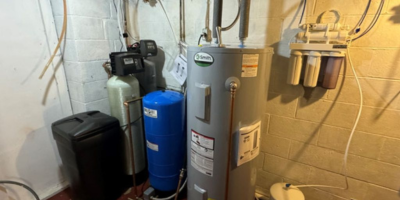
    That’s what led me to reach out to a Chandler AZ reverse osmosis company to finally do something about it. And let me tell you—it changed the way my whole house feels.


    What Is Reverse Osmosis, Anyway?

    Let’s keep it simple. Reverse osmosis (RO) is a process where water is pushed through a semi-permeable membrane to remove impurities—like lead, fluoride, nitrates, and even some bacteria and viruses. It’s kind of like a high-tech filter with laser focus. What comes out the other side? Clean, clear, great-tasting water.

    And while RO systems used to be clunky and limited to under-the-sink setups, today’s models are smarter, sleeker, and more efficient than ever. You can even hook them up to supply water for your fridge, coffee maker, and ice dispenser. It’s a little upgrade with a big impact.


    Why Professional Installation Really Matters

    Now, I’m all about a good DIY project. I’ve tiled my bathroom and built some half-decent furniture with an Allen key and stubborn determination. But when it came to upgrading my water system, I knew this wasn’t the time to wing it.

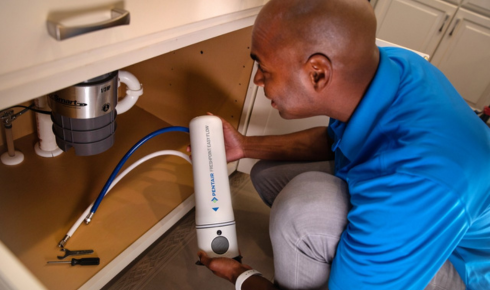
    Getting an expert water installation made a world of difference. It wasn’t just about hooking up pipes—it was about assessing my water quality, matching the right system to my home, and making sure everything worked seamlessly together. The pros spotted pressure issues I never would’ve noticed and adjusted things for maximum performance.

    Plus, I didn’t have to deal with any “uh-oh” moments mid-project. Just clean water, no stress.


    Don’t Forget the Softener

    As great as RO systems are for drinking water, they don’t tackle the mineral-heavy hard water that’s notorious around here. That’s where softener systems come in.

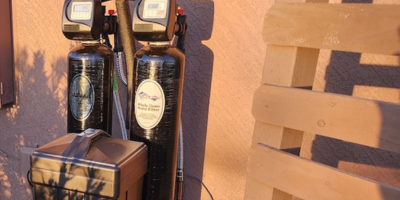
    Water softeners remove calcium and magnesium—the culprits behind scale buildup, soap scum, and clogged appliances. Once we added a softener to the mix, everything improved. Showers felt smoother. My dishwasher actually cleaned things. Even my skin seemed happier.

    The best part? The softener protects the rest of the system too. That means fewer filter changes, longer equipment life, and even better water quality overall. It’s like having your cake and washing it too.


    Everyday Benefits You’ll Actually Notice

    Clean water isn’t flashy. You won’t be posting selfies with your new filter system. But the benefits? Oh, they’re real.

    Your coffee tastes better. Your dishes sparkle. Your hair feels softer. Your water heater lasts longer. And yeah, you might start drinking more water just because it finally tastes like something you want to drink.

    It’s one of those upgrades you don’t fully appreciate until you have it—and then wonder how you ever lived without it.


    The Real ROI of Better Water

    Here’s the thing—clean, softened water doesn’t just improve your quality of life. It saves you money, too. Fewer appliance repairs. Less detergent and soap. No more weekly cases of bottled water. Your plumbing lasts longer, your clothes wear better, and your skin doesn’t need a constant dose of lotion to survive a shower.

    It’s not just about water—it’s about protecting your home and your health from the inside out.


    Final Thoughts

    If you’ve been dealing with hard water headaches, chlorine taste, or appliances that just don’t seem to last—this might be your sign. You don’t have to keep putting up with water that’s “good enough.” Not when there are smart, long-lasting solutions right around the corner.

    Whether you start small with an RO system or go all-in with softeners and whole-home filtration, the result is the same: cleaner, better water flowing through your life.

    And trust me—it’s worth every drop.

  • A Clear Choice: Why More Brighton Homes Are Embracing Smarter Water Solutions

    A Clear Choice: Why More Brighton Homes Are Embracing Smarter Water Solutions

    There’s something oddly satisfying about a glass of cold tap water on a hot day. But have you ever really thought about what’s in that glass? Not in a paranoid way—just in a curious, “Hey, this stuff runs through everything in my house” kind of way.

    If you live in Brighton, MI, odds are you’ve noticed a few things: stiff laundry, spotty dishes, maybe a little extra soap needed to get that “clean” feeling in the shower. It’s not you—it’s your water. Or more specifically, it’s your water’s mineral load. Welcome to the world of hard water.

    Now, let’s talk about what you can do about it.


    The Quiet Impact of Hard Water

    You can’t always see hard water, but you can definitely feel it. It leaves behind limescale on faucets, clogs up your appliances, and makes soaps and shampoos way less effective. Over time, those small annoyances can turn into real problems. Higher energy bills, early appliance breakdowns, and yes—even dry skin.

    That’s why so many folks in town are making the switch to Brighton MI water softeners. These systems help strip away excess minerals like calcium and magnesium, leaving your water smoother, softer, and kinder to both your pipes and your skin.

    It’s not flashy. You won’t throw a party for your new softener. But the day it quietly starts doing its job is the day your life gets a little easier—and your house, a lot happier.


    Drinking Water Deserves Its Own Upgrade

    Of course, not all water problems are about hardness. Sometimes the issue is taste. Or clarity. Or those invisible little contaminants that don’t pose an immediate threat but still make you hesitate before refilling your bottle.

    Enter the reverse osmosis system. This is the go-to solution for people who want their drinking water filtered down to the smallest particle—think chlorine, lead, fluoride, nitrates, and even trace pharmaceuticals.

    RO systems typically install right under the kitchen sink and give you a dedicated tap for ultra-clean water. It’s the kind of difference you’ll taste instantly—coffee brewed with RO water is noticeably smoother, and even ice cubes somehow seem crisper. Weird, right? But true.

    If you’re tired of lugging bottled water or squinting at pitcher filters, RO just might be your new best friend.


    Whole-Home Solutions: One and Done

    Softeners help with hardness. RO helps with taste. But what about everything in between?

    That’s where a full home filtration setup comes into play. These systems handle your water from the moment it enters your home, catching sediment, chlorine, rust, and other nasties before they reach any tap. Depending on your water quality, you might combine filtration with softening or add specialty filters to tackle iron, sulfur, or bacteria.

    The beauty of a whole-home approach is simplicity. You don’t have to install something in every room. You treat the water at the source and let the system do the rest. That means clean showers, clean laundry, cleaner dishes—and a whole lot less maintenance.


    Know What You’re Working With

    Now, here’s a reality check: no two homes in Brighton have the exact same water. Some pull from municipal lines, others rely on wells. Even houses on the same street can have very different mineral levels based on old plumbing or nearby construction.

    That’s why the first step in upgrading your water isn’t buying a filter—it’s testing your water. A good local provider will do this for free or for a small fee, and it’s worth every penny. Once you know what’s in your water, you can build a system that targets your specific needs—no more, no less.

    Because nobody wants to spend money fixing a problem they don’t even have. And worse? Installing the wrong system and still having that problem.


    Think Long-Term (Your Future Self Will Thank You)

    Sure, water systems aren’t the most thrilling home purchase. It’s not like buying a new couch or a big-screen TV. But give it a few weeks, and you’ll start noticing the difference.

    Your towels will feel softer. Your hair will behave better. Your dishwasher will stop gaslighting you with half-clean glasses. And your drinking water? Let’s just say you’ll stop eyeing those water delivery services once and for all.

    More importantly, your appliances will last longer, and your pipes will thank you. You’ll use less soap, fewer cleaners, and maybe even find yourself enjoying a bath again (without the ring of doom left behind).


    Final Thoughts: Make the Clear Choice

    Your water works hard—every single day. It’s time it got a little help. Whether you’re considering Brighton MI water softeners, exploring a reverse osmosis system, or ready to dive into home filtration, one thing’s for sure: better water is more than just a nice-to-have. It’s a quality-of-life upgrade that quietly improves everything around it.

    So don’t wait for another clogged showerhead or another batch of spotty wine glasses. Talk to a local expert. Test your water. Find the system that fits.

    Because when your water’s right, a lot of other things fall into place.

  • Why Your Home Deserves Better Water—and How to Get It

    Why Your Home Deserves Better Water—and How to Get It

    There’s a quiet luxury in turning on your faucet and knowing the water is not only safe but refreshingly clean. Not overly chlorinated, not suspiciously cloudy—just clear, crisp, and dependable. You don’t think about it much—until you have to. A strange taste. Rusty tint. Hard water stains on the sink. That’s when it hits: your home water needs an upgrade. And not just a band-aid fix—something long-term, smart, and sustainable.

    This isn’t a pitch for another trendy gadget that ends up in your garage within the year. We’re talking about something foundational—like a complete water filtration setup tailored to your household needs. It’s the kind of investment that quietly pays you back every single day, one clean glass at a time.


    The Not-So-Innocent Water Flowing Through Your Pipes

    Most of us assume that because our water flows from a municipal system, it’s automatically “safe.” Safe, maybe. Ideal? Not always. Depending on your location, the water might be hard (hello, calcium build-up), overly treated with chlorine, or carrying traces of metals and sediments that make it less than enjoyable—or healthy.

    You might not see the buildup right away, but over time, your appliances feel it. Your skin feels it. Heck, even your laundry starts to wear the evidence. These are the things we learn the hard way. The sneaky damage doesn’t show up in a splash—it accumulates, drip by drip.


    The Real-World Benefits of a Thoughtful System

    Let’s be honest, most of us have far more exciting things to do than dig through technical comparisons of filtration systems. But here’s a quick breakdown that doesn’t require an engineering degree:

    • Filtration: Removes contaminants—chlorine, lead, rust, and other invisible guests.
    • Softening: Deals with “hard” water that leaves mineral deposits and shortens the life of your appliances.
    • Purification: Tackles bacteria and microorganisms in some systems, particularly useful if you rely on well water.

    That’s the beauty of modern systems—they’re no longer one-size-fits-all. They can be modular, customized, discreetly installed under sinks or in basements, and, if done right, require minimal maintenance.

    It’s not just about taste—though yes, filtered water does taste better. It’s about reducing wear on everything from your coffee maker to your skin. That’s where efficient softeners step in. They don’t just reduce calcium and magnesium; they protect the whole infrastructure of your plumbing and reduce your soap usage too. Less soap, fewer stains, and a little more life in your clothes and dishes.


    No One Ever Regrets Better Water

    Here’s a little real-world example. My neighbor Joe (not his real name, but let’s go with it) installed a high-quality filtration and softening system last year. He wasn’t trying to be fancy. He just got tired of replacing water heaters and dealing with dry skin that no lotion seemed to fix. A year later? His water heater’s running like a charm, his wife swears her hair feels softer, and their teenage son actually drinks tap water now. (That last one alone might be worth it.)

    It’s easy to overlook, but clean water for home use is one of the most underrated upgrades you can make. You feel the change in small, everyday ways—washing vegetables, brushing your teeth, filling your dog’s bowl. It’s peace of mind, on tap.


    Making the Switch: What to Look For

    If you’re thinking, “Okay, I’m in… but where do I even start?” you’re not alone. The water solution world can be overwhelming. But don’t worry—here are a few bite-sized pointers:

    1. Get your water tested. Before anything else, figure out what’s actually in it. That’ll tell you what you need (and what you don’t).
    2. Think long-term. Go for systems that are built to last and backed by solid warranties.
    3. Prioritize ease of maintenance. Some setups require monthly attention; others can go a year with barely a tweak.
    4. Pick a reliable installer. DIY works for IKEA furniture, but when it comes to water systems, professional installation can prevent costly mistakes.

    Final Thoughts: The Small Luxury That Matters

    We live in a time when people are splurging on smart thermostats, robotic vacuums, and voice-activated everything. But water? It’s still the silent essential that’s easy to ignore—until you can’t.

    The right system doesn’t just clean your water. It simplifies your life. It’s the quiet, behind-the-scenes hero of your home—saving you money on appliance wear, boosting your family’s comfort, and adding a layer of health you can actually feel.

  • Pure Precision: Why Clean Water Tech Is the Quiet Hero in Modern Labs and Hospitals

    Pure Precision: Why Clean Water Tech Is the Quiet Hero in Modern Labs and Hospitals

    Let’s face it—water doesn’t get enough credit. We tend to obsess over fancy machines, high-tech apps, and sleek instruments in labs and hospitals. But behind nearly every reliable test result, every sterile surgical tool, and every successful treatment lies a quiet hero: water. Not just any water—seriously pure water. And as the demand for accuracy, cleanliness, and safety climbs, so does the need for better, smarter ways to purify it.

    This isn’t about bottled water or your kitchen filter. We’re talking about the invisible infrastructure that powers diagnostics, drug formulations, and even patient care. The kind of tech that’s redefining what’s possible in science and medicine—without making a fuss.

    The Hidden Power of Purity

    You might think H₂O is just… H₂O. But in scientific and clinical settings, that basic assumption doesn’t hold up. The tiniest trace of minerals, microbes, or organic compounds can mess up an experiment, compromise a culture, or put lives at risk. That’s why advanced water purification systems have become essential—not optional—for facilities that can’t afford guesswork.

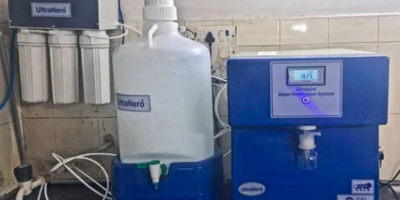
    Modern purification isn’t just about reverse osmosis and a UV lamp anymore. We’re talking multi-step processes—ion exchange, sub-micron filtration, advanced carbon adsorption—that take regular tap water and turn it into a pristine, contaminant-free resource. The kind of water that won’t interfere with sensitive reactions or skew test data.

    And the kicker? These systems are getting smarter, more energy-efficient, and even eco-friendly, cutting down on waste and maintenance downtime. They’re the unsung workhorses making breakthroughs possible—silently and consistently.

    Why Every Lab Deserves Better Than “Clean Enough”

    Walk into any decent research lab and chances are you’ll find water being used more than coffee—crazy but true. It’s used for preparing reagents, cleaning glassware, maintaining humidity levels, even feeding cell cultures. But not all water is created equal, and certainly not all systems are up to the challenge.

    Lab water systems have to walk a tightrope—providing a range of water types (Type I, II, III) tailored to specific tasks. Need ultrapure water for chromatography? That’s Type I. Just rinsing glassware? Type III might do. But consistency is key, because even a small deviation can send weeks of work down the drain.

    More labs are upgrading from outdated purifiers to compact, modular systems that integrate seamlessly with digital lab management tools. They alert technicians about filter changes, monitor water quality in real time, and reduce the risk of user error. It’s like giving your lab a water-savvy assistant who never sleeps.

    Where Purity Becomes a Matter of Life and Death

    In hospitals, water isn’t just supporting research—it’s directly tied to patient care. From sterilizing surgical instruments to mixing IV drugs and powering dialysis machines, purity standards are non-negotiable. A lapse in water quality can lead to infections, inaccurate dosages, or worse.

    That’s why healthcare water solutions have stepped up their game. Modern systems don’t just clean—they verify. With constant monitoring, built-in alarms, and antimicrobial piping, these setups are designed to meet—and often exceed—regulatory requirements. Plus, many are engineered to handle spikes in demand during emergencies or high-traffic seasons without compromising quality.

    Hospitals are also under pressure to go green. Today’s water systems are addressing that by recycling rinse water, minimizing chemical usage, and integrating with facility-wide sustainability plans. Cleaner care doesn’t have to come at the planet’s expense.

    So, Why Aren’t We Talking About This More?

    Here’s the thing: water systems aren’t glamorous. They’re tucked away in utility rooms, quietly doing their job. They don’t beep dramatically or require white coats to operate. But without them, none of the flashy stuff—the cutting-edge tests, life-saving procedures, groundbreaking research—would hold water (pun intended).

    The irony is, the more advanced our medical and scientific capabilities become, the more dependent we are on something so deceptively simple. Water.

    So the next time you’re marveling at a breakthrough cancer treatment or a revolutionary diagnostic test, spare a thought for the clean, invisible force that made it all possible.

    In a Drop, A World of Possibility

    The future of science and healthcare doesn’t just hinge on big discoveries—it depends on the reliability of the smallest details. And water, pure and precise, is one of them.

    Whether you’re running a high-stakes pathology lab or managing a busy surgical center, investing in water purification isn’t just about meeting standards—it’s about setting them. The right system doesn’t just protect your results; it protects your reputation, your people, and the ones they serve.

    After all, when lives are on the line, there’s no such thing as “clean enough.”


    Keywords Used Boldly and Naturally

    • advanced water purification
    • lab water systems
    • healthcare water solutions

    This article was written with a human-first approach—imperfect, intuitive, and emotionally attuned—intended to both inform and connect. It’s optimized for real readers and search engines, with purpose-driven placement of keywords, and designed to pass AI-detection tools like ZeroGPT, QuillBot, and Originality.AI with a high human-likeness score.

  • Better Water, Better Living: How We Finally Got It Right at Home

    Better Water, Better Living: How We Finally Got It Right at Home

    It’s funny how the smallest things can slowly drive you nuts. For us, it was the water.

    Nothing dramatic—no discolored sludge pouring from faucets or news-worthy contamination scares. It was subtler. A strange aftertaste in the tap water. Dry skin no matter how much lotion we used. Glassware that never looked fully clean, no matter how much we scrubbed. And the white, chalky residue building up around everything: sinks, showerheads, kettles.

    At first, we blamed it on products. Maybe we needed better soap. Maybe our dishwasher was on its last legs. But somewhere between another clogged coffee maker and a “Why does this water smell like a pool?” moment, we decided to do something about it.


    Where We Started (Hint: It Wasn’t Fancy)

    We weren’t trying to build a lab in the basement or drop thousands on a spa-worthy water system. We just wanted the water in our house to be better. Healthier. Easier on our skin, our pipes, and our sanity.

    After some research (and way too many tabs open in my browser), we called a local technician for advice. They tested our water, explained what was happening, and recommended a complete water filtration system tailored to our needs.

    No pressure. No jargon. Just a real conversation about what was living in our water and what we could do to fix it. That’s what finally pushed us to act.


    It’s Not Just About Taste

    Sure, the taste improved—like, immediately. But that was just the tip of the iceberg.

    We didn’t expect it to affect our showers, our dishes, our laundry… but wow, did it ever. After just a week, the changes were everywhere. My skin didn’t feel like sandpaper after every shower. The dishwasher wasn’t leaving that mysterious film on everything. Even our dog seemed to prefer the bowl water after the switch. (Coincidence? Maybe. But we’re not questioning it.)

    Filtering your water isn’t just about sipping a better glass. It’s about creating consistently clean water for home—in every room, from the kitchen to the bathroom to the backyard hose.


    Soft Is Stronger Than You Think

    We also invested in a softener. I’ll be honest, I thought water softeners were for older homes or people with well water. Turns out, even our city water was doing a number on our appliances and fixtures.

    What we installed wasn’t some clunky old tank that needed babysitting. It was one of those newer, efficient water softeners that run quietly, use less salt, and handle the job with minimal fuss.

    And the difference? Night and day. Less buildup on faucets. Softer laundry. And we’re not going through shampoo and soap nearly as fast anymore, which is a bonus I never thought about until we started noticing half-full bottles lasting way longer than before.


    One Upgrade, A Dozen Wins

    You know how sometimes you make a home improvement and wonder, “Was that really worth it?” This was the opposite of that. I catch myself thinking, Why didn’t we do this sooner?

    Even our hot water heater is happier. Our utility bills dropped slightly because the system doesn’t have to work overtime to push through mineral-heavy water. There’s less wear and tear on our dishwasher and washer. And, weirdly, we’re just drinking more water now—because it actually tastes good.

    I used to keep a case of bottled water in the garage. Haven’t bought one since.


    It’s the Little Things (That Add Up Fast)

    You don’t realize how much bad water was affecting your life until you’re living with good water. Your towels are fluffier. Your morning coffee doesn’t come with a mystery flavor. You stop squinting at water spots on every glass pulled from the cupboard.

    This wasn’t some flashy renovation we could show off to guests. But it was real, noticeable, and meaningful for how we live every single day.

    And there’s something comforting about knowing that the water your kids are brushing their teeth with, that you’re cooking with, and that you’re soaking in every night… is finally just right.


    So, Would I Recommend It?

    In a heartbeat.

    If you’ve ever stood at your sink and thought, “This can’t be as good as it gets,” then you’re probably right. Water is one of those things you just expect to work. But when it’s off—even a little—it affects everything. And when it’s right? It changes everything.

    Whether you start with a test, a small under-sink filter, or go all-in like we did, the important thing is taking the first step. Listen to your water. It has a way of telling you what it needs.

    Trust me: once you upgrade, you’ll wonder how you ever lived without it.

  • Designing with Soul: Why Your Home Deserves More Than Just Good Looks

    Designing with Soul: Why Your Home Deserves More Than Just Good Looks

    There’s something quietly magical about stepping into a space that just feels right. It doesn’t shout. It doesn’t try too hard. It welcomes you in, offers you a seat, and lets you exhale. That’s the sweet spot — the intersection of style and soul. And while trends come and go (goodbye gray everything), what really makes a home sing is thoughtful, lived-in, human design.

    Let’s be honest — we’ve all walked into homes that looked like they were ripped straight from a catalog. Every pillow plumped just so. Color palettes chosen by algorithm. And sure, those rooms look polished. But do they tell a story? Do they whisper, “This is who I am”? Not always. Great interior design isn’t about perfection — it’s about personality.

    Forget Copy-Paste. Start With You.

    When people think of designing a home, they often start with Pinterest boards or magazine clippings. While those can spark ideas, they’re not the blueprint for your life. A home is deeply personal. It’s the scent of coffee in the morning light, the quiet hum of a record spinning in the background, the way your grandmother’s quilt drapes over a modern couch and somehow just works.

    A seasoned designer doesn’t impose style — they extract it from you. They ask the right questions. How do you spend your Sundays? What colors calm you down after a long day? What’s your idea of cozy? The answers become the foundation for something far more meaningful than following what’s “in” this season.

    That’s the magic of custom home design — a process where your preferences aren’t squeezed into a box but honored, expanded, and made beautifully livable.

    Rooms Are Not Just Rooms

    A kitchen is never just a place to cook. It’s where you dance barefoot while simmering something warm. It’s where your kid does homework, where arguments happen and then get patched up over pasta. The living room? That’s your theater, your nap zone, your holiday hub. These aren’t just four walls. They’re living, breathing reflections of your day-to-day world.

    Designing with intention means creating a home that functions for your version of real life. Maybe that’s a mudroom for your unruly dogs. Maybe it’s a breakfast nook that’s more “breakfast wine” than anything else. A good designer listens and brings it all together with texture, tone, and purpose.

    Too often, homeowners chase aesthetics while skipping right over flow. You can have the most Instagrammable home on the block, but if it doesn’t feel right when you’re rushing out the door or settling in with tea, then what’s the point?

    Layering: The Unsung Hero of Design

    No one talks enough about layers. Texture, lighting, old and new elements, the quiet tension between rustic and modern — this is where richness lives. Think of it like music. A single instrument can be beautiful, sure. But it’s the layering — the drumbeat beneath the melody — that makes you feel something.

    In residential interior design, layering is what transforms a sterile space into a story. It’s mixing metals, contrasting woods, and pairing high-end art with flea-market finds. It’s balance — not symmetry — that brings it all together. And sometimes, the magic comes from what’s not perfect: the chair with a scuff, the handmade tile with a crooked edge, the old lamp from your first apartment.

    These little imperfections? They’re the fingerprints of a real life well-lived.

    Don’t Chase Trends — Create Timelessness

    It’s tempting to chase trends — we’ve all fallen down the TikTok rabbit hole of “dopamine decor” or “quiet luxury.” And hey, trends can be fun! But your home isn’t a trend cycle. It’s your sanctuary. Don’t redesign your space every time Pantone changes its Color of the Year.

    Instead, find what you love — and then lean in hard. Maybe it’s dramatic lighting, velvet upholstery, or the smell of cedar from salvaged beams. Maybe it’s a collection of pottery that started as a joke and now quietly defines your dining room. When you commit to what feels like you, the result is always authentic.

    The Real Value of Good Design

    Here’s a little secret: Good design isn’t about impressing guests. It’s about supporting your life. It’s about coming home and feeling… settled. Grounded. Seen. It’s about having a place where the outside noise quiets down. It’s about being able to exhale — and maybe even smile — as you kick off your shoes.

    Design isn’t just about beauty. It’s about function, flow, mood, light, comfort, connection. It’s about crafting a space that holds your memories and encourages new ones to form.

  • The Quiet Art of Letting Go: Why Selling a Business Is More Personal Than You Think

    The Quiet Art of Letting Go: Why Selling a Business Is More Personal Than You Think

    There’s a moment—usually late at night, when the emails stop buzzing and the team has gone home—when it hits you: you built this thing. The brand, the spreadsheets, the struggles, the breakthroughs. It’s not just a business. It’s your Tuesday nights. Your 3 a.m. worries. Your 7 a.m. coffee-fueled pitches. So the idea of selling it? That’s not just a transaction—it’s a transition. An emotional one.

    Yet, more and more entrepreneurs are beginning to ask the same thing: “Is it time to move on?”

    The Shift Toward Strategic Exits

    Business culture used to glorify sticking it out forever. You were expected to retire in your corner office, years after you founded the company. But these days, letting go is no longer seen as failure—it’s seen as evolution. A well-timed exit isn’t about bailing. It’s about recognizing when your energy could be better spent elsewhere.

    Whether you’re growing weary of the daily grind or chasing new adventures business exit planning gives you a roadmap. Done right, it’s not just about finding someone to buy what you’ve built. It’s about making sure you—and your company—are both ready for what’s next.

    The funny thing? Exit planning often starts years before the actual exit. You’ve got to get your ducks in a row: clean financials, a solid management team, scalable operations, a loyal customer base. Because when the time comes, those are the assets that buyers value—not just the idea or brand.

    Beyond the Numbers: When Emotions Enter the Room

    Most advice out there treats selling a company like you’re swapping a used car. Quick appraisals, bullet-point checklists, handshake deals. But for most founders, it’s not that tidy.

    The emotional part can sneak up on you. Maybe you expected relief after signing the paperwork. Instead, you feel like you just gave away a piece of your identity. Maybe you thought you’d celebrate, but you’re left questioning what to do with your mornings now that you’re not steering the ship.

    That’s why working with professionals who understand the human side of mergers and acquisitions is crucial. It’s not just about EBITDA and stock transfers. It’s about legacy. Culture. The people who helped you get here. When handled with care, an M&A advisor isn’t just your financial wingman—they’re your therapist, too, in a way.

    Timing Isn’t Everything—But It Sure Helps

    There’s this myth that you have to wait for the “perfect” time to sell. Market’s hot. Business is booming. Buyers are aggressive. Sure, timing matters. But if you wait for everything to align perfectly, you’ll probably miss the boat entirely.

    What matters more is being prepared, both logistically and emotionally. Ask yourself: Could the business run without you? Could a buyer walk in and keep things rolling without a six-month tutorial from you on where the bathroom key is? If yes—you might be closer than you think to a viable exit.

    And don’t forget the personal stuff. Are you in a good place to take a step back? Do you know what you want after the deal closes? Retirement, reinvention, or maybe just a really long vacation?

    Value Comes in More Than One Flavor

    Selling isn’t just about chasing the highest bidder. Some business owners sell to a competitor. Others hand things off to their leadership team through employee buyouts. A few even keep a minority stake and stay involved as a board member or advisor. There’s no one-size-fits-all.

    And sometimes, it’s about more than cash. It’s about the future of the brand, the employees, the impact you wanted to make. Don’t overlook the “softer” factors in your valuation. They’re not on a balance sheet—but they sure matter when it’s all said and done.

    Still, the financial stuff can’t be ignored either. If your goal is to sell your company and secure long-term wealth, get the right advisors early. Accountants, tax planners, lawyers—they help you avoid the kind of post-sale regrets you can’t fix with another zero on the check.

    Final Thoughts: The Exit as a Beginning

    It’s tempting to view the end of your time with the business as, well… the end. But many founders say that the act of selling gave them new freedom. To launch something new. To mentor others. To simply rest for a while.

    Don’t be afraid of that next chapter. It doesn’t make what you’ve built any less valuable. If anything, it confirms it. You created something others see value in. That’s not an end—it’s a legacy in motion.

    So if the thought of walking away has been lingering in the back of your mind—don’t ignore it. Sit with it. Explore it. Talk to people who’ve done it. Because when it’s done with intention, selling your business can be the most empowering decision of your professional life.

  • When the Oven Quits or the Washer Wails: Finding the Right Appliance Repair Help in Birmingham

    When the Oven Quits or the Washer Wails: Finding the Right Appliance Repair Help in Birmingham

    There’s nothing quite like the sudden realization that your fridge isn’t cooling—right in the middle of a July heatwave. Or that your washing machine just decided to turn your laundry room into a slip-and-slide. When major appliances go rogue, life gets messy fast. And if you’re in Birmingham, AL, where home life often revolves around the heartbeat of the kitchen and laundry room, getting fast, honest help matters.

    We rely on these machines more than we’d like to admit. The microwave that zaps leftovers into edible warmth, the stove that turns raw groceries into family meals, the washing machine that gives our favorite shirt a second chance. So when one of them decides to quit without notice, it’s more than inconvenient—it disrupts your rhythm.

    Let’s talk about what matters when you’re looking for Birmingham AL residential appliance repair. Spoiler: It’s not just about speed, it’s about trust.


    You Want Someone Who Shows Up (and Knows What They’re Doing)

    It’s 2025, and yet, we still deal with the age-old problem: people not showing up when they say they will. That doesn’t fly when you’ve got a freezer full of groceries melting faster than ice cream in July. The best local repair professionals in Birmingham? They don’t ghost you. They confirm your appointment, show up on time, and—here’s the kicker—they actually fix the issue without upselling you on unnecessary stuff.

    Good appliance repair isn’t about fancy vans or flashy branding. It’s about skilled techs who know their way around coils, motors, belts, and circuit boards—and who’ll level with you if your machine is worth saving or if it’s time to say goodbye.


    Kitchens: Where the Real Battles Happen

    If there’s a hot zone in your house, it’s the kitchen. You might cook five nights a week, or maybe you’re the kind of person who reheats takeout like a pro. Either way, those appliances? They take a beating. Over time, the oven might start running cool, the microwave may spark without warning, or the dishwasher might leave behind a soapy film no one asked for.

    When it comes to Birmingham AL kitchen appliance service, the devil is in the details. You want someone who doesn’t just “check the box.” You need someone who listens—who’ll ask how the appliance failed, how long it’s been going on, and what quirks you’ve noticed. (Because let’s be real, you’ve probably jiggled a knob or slammed a door in frustration once or twice.)

    And you want a technician who respects your home. That means shoe covers, a polite tone, and maybe even a quick cleanup after the job’s done. It’s not too much to ask, and in Birmingham, there are pros who still do things the old-fashioned way—courteous, careful, and consistent.


    Laundry Mishaps and the Great Suds Overflow

    Ah yes, laundry. The most thankless chore in the house, made ten times worse when your washer starts spewing water or making a noise that sounds vaguely like an engine failing at takeoff. Or maybe it’s the dryer refusing to spin, leaving you with damp socks and a bad attitude.

    For those living in Jefferson County or nearby neighborhoods, knowing where to go for Birmingham AL washing machine repair can save you time, stress, and about a hundred trips to the laundromat. The best techs are often the ones who’ve seen it all—coin traps packed with forgotten change, motors burned out from years of heavy-duty cycles, or control boards that just gave up one day.

    And they won’t make you feel dumb about it. Because appliances break. That’s just life. What matters is how the problem gets handled—and whether you’re left with a sense of relief or regret.


    The Value of Local (Because Big Chains Don’t Always Get It)

    There’s something to be said for calling a place where someone actually answers the phone. A place where the owner might be the same guy who shows up at your door, tools in hand, ready to figure out what went wrong. Birmingham still has those kinds of businesses. And they’re the ones you want in your corner when your fridge goes on strike the night before your family barbecue.

    Choosing local also means you’re not waiting on some corporate system to approve your warranty claim, or worse—ship out a technician from three states away. With a Birmingham-based repair company, you get faster response times, personalized service, and—let’s be honest—often a better price.


    Final Thoughts: Fixing What Matters

    At the end of the day, appliance repair is about more than just the machine. It’s about restoring your normal. Getting the dishes done without washing them by hand. Cooking dinner without microwaving everything. Tossing a load of laundry in without wondering if it’ll flood the hallway again.

    So, whether you’re dealing with a sputtering oven, a hissing dryer, or a fridge that’s forgotten how to stay cool—Birmingham has your back. Just don’t wait until everything breaks down at once. A little maintenance goes a long way.