Water is one of those things most of us take for granted until something seems off. Maybe the tap water has an unusual smell, a glass of water tastes slightly metallic, or stubborn mineral deposits keep appearing around the kitchen faucet. These small signs can raise a bigger question: how good is the water flowing through our homes, really?
Water quality depends on several factors, including the source, plumbing, local water conditions, and the treatment methods already in place. Fortunately, homeowners and business owners have more options than ever for improving their water. Understanding how different systems work makes it easier to choose a solution that fits everyday needs without spending money on equipment that may not be necessary.
Understanding What May Be in Your Water
Water can contain naturally occurring minerals, sediment, and other substances picked up as it travels through the ground or distribution system. Municipal water is generally treated before it reaches homes, but that doesn’t mean every household will experience identical water quality. Private wells have different considerations because the water source and surrounding environment can influence what is present.
Hard water is a common example. It contains elevated levels of minerals, particularly calcium and magnesium. Although these minerals aren’t usually considered a health concern at typical drinking-water levels, they can leave spots on dishes, reduce soap performance, and contribute to scale buildup in pipes and appliances.
Other concerns may involve chlorine taste or odor, sediment, iron staining, or contaminants that require laboratory testing to identify. Guessing isn’t a particularly reliable way to determine what needs treatment. A water test provides a clearer starting point and helps narrow down the available options.
How Activated Carbon Can Improve Everyday Water
Sometimes, the biggest improvement comes from addressing the taste and smell of water rather than installing a complicated treatment system. Carbon-based filters are widely used for this purpose, particularly in kitchens where drinking water and cooking water matter most.
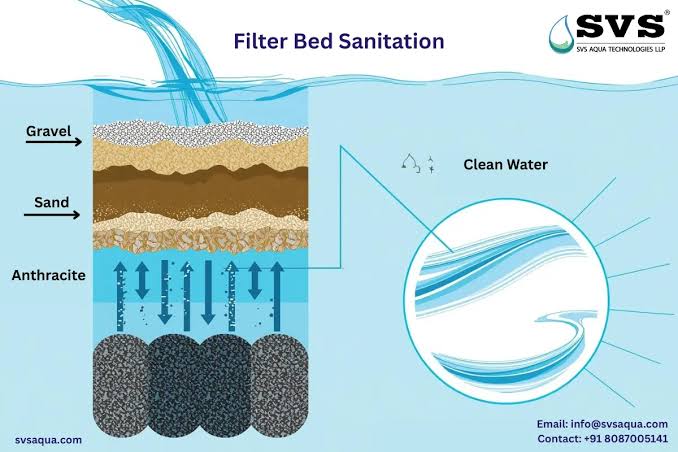
An activated carbon water filtration system uses specially processed carbon with a porous structure that can adsorb certain substances onto its surface. Depending on the filter design and certification, it may reduce chlorine, unpleasant odors, and selected organic compounds. The result can be water that tastes cleaner and feels more pleasant to drink.
However, carbon filtration isn’t a universal solution. It doesn’t automatically remove every dissolved mineral, microorganism, or chemical contaminant. Performance depends on the specific filter, the substances present, and how well the equipment is maintained.
Before purchasing a filter, check what it is certified to reduce. Certifications from recognized organizations, such as NSF, can help consumers compare products against clearly defined performance claims. It’s also worth checking replacement intervals. A filter that isn’t changed when required may perform less effectively, even if it worked well when first installed.
For many households, a properly selected carbon filter offers a straightforward way to improve drinking water without changing the entire plumbing system.
Why Well Water Needs Special Attention
Private wells can provide a dependable water source, but responsibility for monitoring water quality usually rests with the property owner. Unlike public water systems, private wells aren’t routinely managed under the same federal drinking-water requirements that apply to public supplies in the United States.
That makes regular testing especially important. A well water treatment system should be selected according to the actual conditions found in the water, not simply because a neighbor uses a particular filter.
For example, water with elevated iron may need an oxidation and filtration process. Hard water may call for a water softener, while sediment can often be addressed with an appropriately sized sediment filter. If testing identifies bacteria or other microorganisms, disinfection may be necessary. Different problems require different approaches, and combining equipment without understanding the water chemistry can create unnecessary costs.
Testing schedules depend on local recommendations and environmental conditions, but private well owners are commonly advised to test for coliform bacteria and nitrates at least annually. Additional testing may be sensible after flooding, well repairs, changes in taste or odor, or nearby activities that could affect groundwater.
A qualified water treatment professional can help interpret test results and recommend suitable equipment. For suspected contamination, use an accredited laboratory and follow local public-health guidance rather than relying on the appearance or taste of the water.
The Growing Role of Water Monitoring Technology
Traditional treatment equipment still does much of the essential work, but newer monitoring tools can make water management more convenient. Some systems track water usage, detect leaks, display filter-life estimates, or alert users when maintenance may be due.
More advanced water monitoring / smart systems can help property owners spot unusual consumption patterns and respond to potential problems sooner. For example, an unexpected increase in water use might indicate a running toilet, a leaking pipe, or another issue that would otherwise go unnoticed for days.
Smart features vary considerably between products. A connected sensor may monitor flow or leakage without measuring chemical quality, while a dedicated water-quality instrument may track only selected parameters. Neither should automatically be treated as a complete substitute for laboratory testing.
The useful question isn’t whether a system has the most impressive technology. It’s whether the features solve a real problem in your home or business. A leak detector could be valuable in a property that sits empty for long periods, while a simple filter-change reminder might be all another household needs.
Choosing a Treatment System That Fits Your Needs
With so many products available, it’s tempting to buy a system based on advertising or a broad promise of cleaner water. A better approach is to start with the problem you’re trying to solve.
Consider these practical steps:
- Test the water first. Establish a reliable baseline before choosing equipment, especially for private wells.
- Match the technology to the concern. Carbon filters, sediment filters, softeners, reverse osmosis units, and disinfection systems serve different purposes.
- Check system capacity. A filter designed for a small household may not meet the demands of a busy family or commercial property.
- Understand ongoing costs. Replacement cartridges, salt, electricity, servicing, and wastewater can all affect the long-term expense.
- Review certifications and claims. Look for independent evidence supporting the specific contaminant-reduction claims that matter to you.
- Plan for maintenance. Even good equipment needs regular attention to keep operating as intended.
It’s also sensible to consider installation requirements. Some systems fit neatly under a kitchen sink, while others need space near the main water line, a drain connection, or access to electricity. Discussing these details before buying can prevent an expensive surprise later.
Maintenance Is Part of Water Quality
Installing a treatment system is only the beginning. Filters need replacement, softeners may require salt, and certain systems need periodic cleaning or professional servicing. Ignoring these tasks can reduce performance and, in some situations, create additional water-quality concerns.
Keep a simple record of installation dates, test results, service visits, and replacement parts. This doesn’t need to become a complicated household project. A calendar reminder and a folder for service records are often enough to keep things organized.
If the water’s taste, color, or smell changes suddenly, investigate rather than assuming the equipment will take care of it. A change could indicate a maintenance issue, a plumbing problem, or a shift in the source water. When contamination is suspected, use an alternative safe water source until the issue has been assessed, following advice from local health authorities.
A Smarter Approach to Everyday Water
Good water treatment isn’t necessarily about owning the biggest or most expensive system. It’s about understanding your water, identifying what needs attention, and choosing equipment that can address those concerns reliably.
For some households, that may mean a simple carbon filter. Others may need a tailored solution for well water, mineral buildup, or specific contaminants identified through testing. Monitoring technology can add convenience, but regular testing and sensible maintenance remain essential.
In the end, the best water treatment plan is one that fits your property, your budget, and the quality of your water. Start with dependable information, ask clear questions, and make improvements where they’ll have a genuine impact. Clean, dependable water is an everyday necessity, and getting the details right can make a meaningful difference over time.