An air conditioner rarely breaks down at a convenient time. It might stop cooling just as the afternoon temperature climbs, begin making an unfamiliar noise before guests arrive, or quietly struggle for weeks before finally giving up. Most homeowners have experienced at least one of these moments, and they usually come with the same question: Is this a simple problem, or is it time to call a professional?
The answer depends on what your system is doing, how long the issue has been happening, and whether there are signs of an electrical or mechanical fault. Understanding a few common warning signs can help you respond calmly, avoid unnecessary expenses, and know when professional attention is needed.
A little knowledge goes a long way, particularly when indoor comfort matters to your family’s routine.
Recognising the Early Signs of Trouble
Air conditioning systems often provide clues before a major breakdown occurs. The trick is noticing when something changes.
Perhaps your home takes longer to cool than it did last summer. Maybe the airflow feels weak, the thermostat struggles to maintain its setting, or one room stays noticeably warmer than the others. These symptoms don’t automatically mean the equipment is failing, but they deserve attention.
Dirty filters are a common starting point. When dust builds up, airflow can become restricted, making the system work harder to move conditioned air around the home. Checking the filter and replacing it according to the manufacturer’s instructions is a sensible first step.
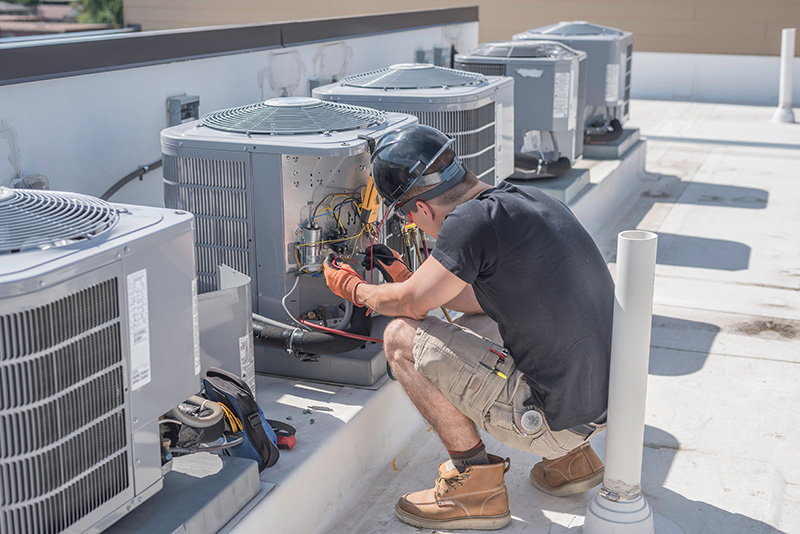
Other problems require a closer look. A frozen indoor coil, blocked condensate drain, faulty thermostat, or refrigerant leak can all affect cooling performance. Refrigerant handling and internal electrical repairs should be left to qualified technicians rather than attempted as weekend DIY projects.
If the system repeatedly switches on and off, avoid assuming that the thermostat is simply set incorrectly. The cause may involve airflow, equipment sizing, controls, or another underlying fault.
Why Professional Repairs Can Save Time and Money
When the air conditioner stops working, it’s tempting to search for the quickest fix online. Sometimes the solution is straightforward, but guessing can make a problem worse, particularly when electrical components or refrigerant circuits are involved.
Professional air conditioning repair services begin with identifying the cause rather than replacing parts at random. A technician may inspect the thermostat, measure airflow, check electrical connections, examine coils, and evaluate the system’s operating performance.
This diagnostic process matters because several faults can produce similar symptoms. Weak cooling, for example, might result from a dirty filter, a failing component, restricted airflow, or a refrigerant problem. Replacing an unrelated part won’t solve the issue.
A good technician should explain what they’ve found, outline the available repair options, and provide an estimate before carrying out additional work. If the system is older or has required several recent repairs, ask whether repairing it remains practical compared with replacement.
The cheapest immediate option isn’t always the most economical over the next few years. On the other hand, replacing an entire system because of one repairable fault may be unnecessary. A clear diagnosis helps you make a more informed decision.
Common HVAC Issues Homeowners Shouldn’t Ignore
Not every problem leads to a complete breakdown, but recurring symptoms can indicate that something needs attention.
One frequent complaint is uneven cooling. A bedroom may feel warm while the living room stays comfortable. Possible causes include blocked vents, leaking ducts, inadequate insulation, or poor airflow balancing. Closing several vents in other rooms isn’t necessarily the answer, since doing so can interfere with system performance.
Unusual sounds are another warning sign. Occasional clicks during normal operation may be harmless, but persistent grinding, loud buzzing, or rattling deserves investigation. Turn the system off if you suspect a serious mechanical or electrical problem, and arrange professional help.
Unexpected moisture around indoor equipment can point to a clogged drain or another issue. Don’t ignore repeated water leaks, as moisture can damage nearby flooring, walls, or ceilings.
These HVAC issues can be easier and less expensive to address when caught early. Keeping track of when symptoms started, whether they happen continuously, and how the system responds to thermostat changes can also help a technician diagnose the fault more efficiently.
If you notice a burning smell, smoke, sparking, or a carbon monoxide alarm associated with fuel-burning equipment, prioritise safety. Turn equipment off if you can do so safely, leave the area when there is an immediate hazard, and contact the appropriate emergency services. Don’t continue running a potentially unsafe system just to keep the house comfortable.
What to Check Before Calling for Help
A few simple checks may resolve minor problems or help you describe the situation clearly.
Start with the thermostat. Make sure it has power, the correct operating mode is selected, and the temperature setting is appropriate. If it uses batteries, check whether they need replacing.
Next, inspect the air filter. If it’s heavily clogged, replace it with the correct type and size. Check that supply vents and return-air grilles aren’t covered by rugs, furniture, or curtains.
If the outdoor unit appears to have stopped running, look for an obvious problem without opening electrical panels or reaching inside the equipment. A tripped breaker may indicate a fault, so never repeatedly reset one that trips again. Leave it off and contact a qualified professional.
Also, note any error codes displayed on the thermostat or equipment. A photo can be useful when explaining the problem over the phone.
These checks aren’t a substitute for repairs, but they can save time during the initial assessment. If the problem remains, resist the temptation to keep switching the system on and off in the hope that it will correct itself.
When Emergency Help Is Necessary
Some breakdowns can wait for a scheduled appointment. Others require a faster response, especially when extreme weather creates unsafe indoor conditions or when equipment presents a potential hazard.
An emergency service may be appropriate when cooling fails during severe heat and vulnerable household members cannot stay safely cool, or when a serious electrical fault makes continued operation unsafe. Availability and response times vary, so explain the symptoms clearly when contacting a provider.
If the indoor temperature becomes dangerous, move to an air-conditioned public location or another safe, cooler environment while arranging help. Drink water regularly, avoid strenuous activity in the heat, and check on children, older adults, and anyone who may be particularly vulnerable to heat-related illness.
For suspected fire, smoke, electrical danger, or carbon monoxide exposure, contact emergency services rather than relying solely on an HVAC contractor.
When calling a repair company, share the equipment type, approximate age, symptoms, and any warning codes. Ask about diagnostic fees, after-hours charges, estimated arrival times, and whether replacement parts may require another visit. Clear communication helps you understand what to expect.
Preventing Future Breakdowns
Routine maintenance won’t make a system immune to failure, but it can reduce avoidable problems and help maintain reliable operation.
Check filters regularly, keep outdoor equipment clear of leaves and debris, and arrange inspections according to manufacturer recommendations and the demands placed on the system. Professional maintenance may include inspecting electrical components, checking drainage, cleaning appropriate parts, and evaluating airflow.
It’s also worth considering the home itself. Sealing gaps around windows and doors, improving insulation, and using blinds to limit direct sunlight can reduce the amount of heat entering indoor spaces.
A programmable thermostat may help manage cooling around your household schedule. If the system is consistently struggling, ask a technician whether ductwork, equipment capacity, or insulation could be contributing to the problem.
Keep service receipts and note recurring faults. A simple maintenance record can reveal patterns and help you decide when continued repairs no longer make financial sense.
A Smarter Way to Handle Cooling Problems
Air conditioning trouble is frustrating, especially when it interrupts sleep, work, or family life. Still, you don’t need to understand every mechanical detail to respond sensibly.
Pay attention to changes in performance, handle basic filter and thermostat checks safely, and seek professional help when symptoms persist or suggest a serious fault. Ask questions, compare repair options, and make sure you understand the costs before approving work.
Most importantly, don’t wait for a complete breakdown before taking recurring warning signs seriously. Timely attention can help protect your equipment, limit avoidable disruption, and keep your home comfortable when you need it most.