Category: Entertainment

  • The Best TV Musical Performances: Unforgettable Live Moments on TV

    The Best TV Musical Performances: Unforgettable Live Moments on TV

    There’s something special about live musical performances on television. The mix of unpredictability, raw talent, and sheer spectacle can turn a moment into music history. From the Super Bowl stage to award shows, these performances become part of pop culture’s DNA, etched in our memories. Let’s take a look at some of the most electrifying live musical moments ever aired on TV, the ones that still give us chills and make us hit replay.

    Prince at the Super Bowl (2007): Purple Rain in the Rain

    When it comes to unforgettable live performances, few can rival Prince’s iconic set at the 2007 Super Bowl halftime show. The conditions weren’t ideal—it was raining, and the stage was slick. But that didn’t stop Prince. In fact, the rain only seemed to enhance the performance as he delivered a flawless rendition of “Purple Rain” while drenched under the stadium lights.

    Prince’s ability to captivate an audience, even in challenging conditions, showed why he’s regarded as one of the greatest performers of all time. The image of him playing guitar in the rain, the crowd bathed in purple light, is forever etched in Super Bowl history. This wasn’t just a performance—it was a moment of pure magic.

    Beyoncé at the VMAs (2011): A Surprise for the Ages

    Beyoncé has had her fair share of legendary performances, but her 2011 MTV Video Music Awards performance stands out. Singing “Love on Top” with effortless grace and energy, she delivered powerful vocals that had the audience on their feet. But the real surprise came at the end when she unbuttoned her jacket and revealed her baby bump to the world.

    That moment became an instant pop culture sensation. It wasn’t just a pregnancy announcement—it was a masterclass in how to blend performance with personal milestones. Beyoncé made the performance unforgettable by sharing such an intimate moment with her fans, all while nailing every note.

    Freddie Mercury at Live Aid (1985): A Masterclass in Stage Presence

    When people talk about the best live musical performances, Freddie Mercury’s appearance at Live Aid in 1985 is always near the top. Queen’s 20-minute set at Wembley Stadium was nothing short of legendary, with Mercury leading the crowd through hits like “Bohemian Rhapsody” and “Radio Ga Ga.”

    What made this performance so special was Mercury’s connection with the audience. His commanding stage presence and ability to engage 70,000 people in unison clapping and singing felt almost magical. Even decades later, it’s a performance that still resonates, proving that sometimes the simplest moments—one man, a microphone, and a crowd—can be the most powerful.

    Whitney Houston at the Super Bowl (1991): The National Anthem Redefined

    Before Whitney Houston’s 1991 Super Bowl performance, few would have imagined that the National Anthem could become a chart-topping hit. But that’s exactly what happened after Houston’s rendition of “The Star-Spangled Banner.” Her soaring, flawless vocals, set against the backdrop of a nation in the midst of the Gulf War, turned the anthem into a moment of unity and pride.

    This wasn’t just a performance—it was a statement. Houston’s voice carried emotion and power, and it struck a chord with millions of viewers. To this day, her performance is considered one of the best renditions of the National Anthem ever aired on television.

    Michael Jackson at the Motown 25th Anniversary (1983): The Moonwalk Debut

    Michael Jackson was already a superstar when he took the stage at Motown’s 25th-anniversary special in 1983. But what happened during his performance of “Billie Jean” changed the trajectory of pop culture forever. It was during this performance that Jackson introduced the moonwalk, a dance move that would become synonymous with his name.

    The crowd erupted, and the moment Jackson glided across the stage became iconic. His Motown 25 performance wasn’t just about music—it was about innovation, showmanship, and delivering something audiences had never seen before. The moonwalk instantly became part of the cultural lexicon, proving that a single televised performance could leave an indelible mark.

    Adele at the Grammys (2012): Raw Emotion at Its Finest

    After vocal surgery that kept her from performing, Adele’s return to the stage at the 2012 Grammys was a powerful reminder of her talent. Singing “Rolling in the Deep,” she delivered one of the most emotional and technically flawless performances of the night. The standing ovation she received afterward was well deserved.

    What made Adele’s performance so special was its simplicity. There were no flashy dance moves or elaborate stage effects—just her voice, full of raw emotion, reminding the world why she’s one of the greatest vocalists of her generation.

    Lady Gaga at the Oscars (2015): A Stunning Tribute to The Sound of Music

    Lady Gaga’s performance at the 2015 Academy Awards took many by surprise. Known for her eccentric and often outlandish performances, Gaga opted for a more classic approach, delivering a stunning tribute to The Sound of Music in honor of the film’s 50th anniversary.

    Her medley of songs from the film, performed with precision and grace, showcased her vocal range in a way many had never seen before. Even Julie Andrews, the original star of The Sound of Music, was visibly moved by the performance. It was a reminder that beneath Gaga’s theatrical persona lies a deeply talented artist capable of nailing even the most classic of performances.
  • Redefining Sports: The Rise of Esports and Competitive Gaming

    Redefining Sports: The Rise of Esports and Competitive Gaming

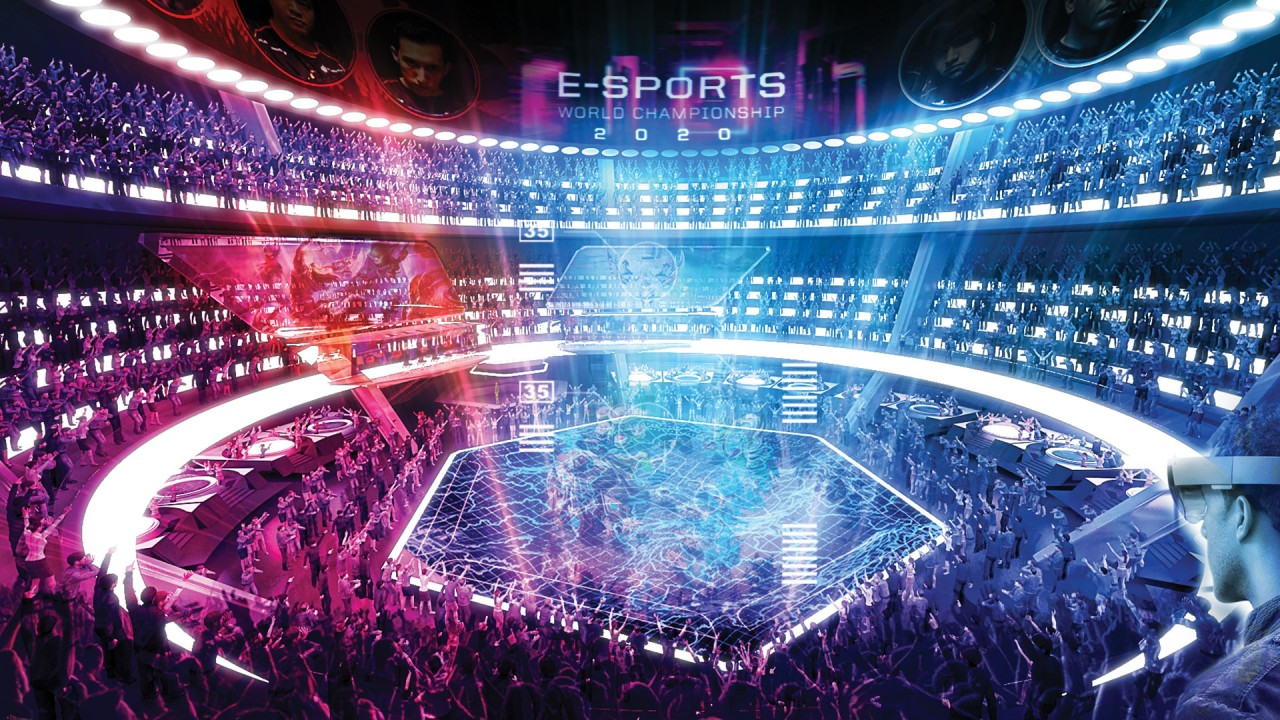
    Esports, or competitive video gaming, has risen to prominence as a global phenomenon. In this article, we’ll explore the world of esports, its growth, impact on traditional sports, and the thriving competitive gaming community.

    Introduction:
    Esports, once a niche interest, has transformed into a mainstream cultural phenomenon. Competitive video gaming has amassed a massive following, captivating audiences with its high-stakes competitions and passionate community. Let’s dive into the rise of esports and its impact:

    1. The Esports Revolution:
      Esports represents a paradigm shift in the world of sports and entertainment, where virtual athletes compete in video game tournaments.
    2. A Global Phenomenon:
      Esports boasts a global audience, with millions of fans tuning in to watch competitions, both online and in person.
    3. The Games and Genres:
      Esports encompasses a variety of games and genres, from first-person shooters to strategy and sports simulations.
    4. Professional Players:
      Professional esports players dedicate their lives to training, competing, and building personal brands.
    5. Sponsorships and Partnerships:
      Esports has attracted significant sponsorships and partnerships from major brands and organizations.
    6. Esports Events:
      Major esports events and tournaments draw massive crowds, with the most prestigious competitions offering substantial cash prizes.
    7. Streaming Platforms:
      Online platforms like Twitch and YouTube have become hubs for esports content, allowing fans to watch live streams, highlights, and engage with players.
    8. Esports Organizations:
      Professional esports organizations manage teams, players, and competitions, fostering the growth of the industry.
    9. Esports in Education:
      Esports is making its way into educational institutions, with varsity esports programs and scholarships.
    10. The Impact on Traditional Sports:
      Esports has disrupted traditional sports, challenging perceptions of athleticism and redefining the competitive sports landscape.

    Case Study: “League of Legends” World Championship

    The “League of Legends” World Championship is one of the most prestigious esports events, attracting millions of viewers and offering substantial prizes. It exemplifies the global appeal and competitive nature of esports.

    Conclusion:
    Esports has redefined the concept of sports and competition, captivating a massive global audience. It continues to evolve, offering new opportunities for players, fans, and the industry as a whole.

  • The Magic of Broadway: Exploring the World of Musical Theater

    The Magic of Broadway: Exploring the World of Musical Theater

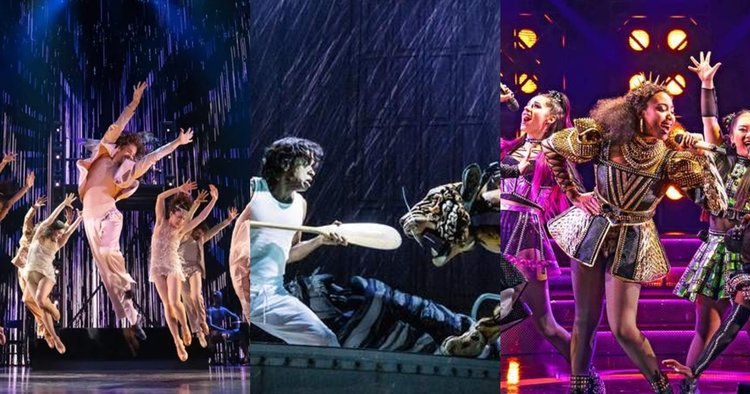
    Broadway is synonymous with the grandeur of musical theater. In this article, we’ll explore the enchanting world of Broadway, its history, impact on the performing arts, and the timeless allure of musicals.

    Introduction:
    Broadway, often referred to as the “Great White Way,” is the epicenter of musical theater, captivating audiences with its dazzling performances and enchanting stories. Let’s embark on a journey to explore the magic of Broadway:

    1. The Birth of Broadway:
      Broadway theater has its roots in 18th-century New York, with its earliest influences stemming from British and European theatrical traditions.
    2. The Golden Age:
      The mid-20th century marked the Golden Age of Broadway, characterized by iconic shows like “West Side Story,” “My Fair Lady,” and “The Sound of Music.”
    3. Show-Stopping Musicals:
      Musicals are the heart and soul of Broadway, with their unforgettable songs, choreography, and elaborate sets.
    4. The Influence of Broadway:
      Broadway has a profound impact on the performing arts, from theater and dance to film and television.
    5. Cultural Significance:
      Many Broadway productions address important social issues and showcase diversity, making them culturally significant.
    6. Broadway Legends:
      Legendary figures like Lin-Manuel Miranda, Stephen Sondheim, and Andrew Lloyd Webber have made indelible contributions to Broadway.
    7. Revivals and Long-Running Shows:
      Some Broadway classics continue to captivate audiences through revivals and long-running performances.
    8. The Broadway Experience:
      Attending a Broadway show is a memorable experience, from the anticipation of the lights dimming to the final applause.
    9. The Tony Awards:
      The annual Tony Awards celebrate excellence in Broadway theater, honoring outstanding productions and performances.
    10. The Future of Broadway:
      Broadway continues to evolve, exploring new genres, themes, and technology to engage contemporary audiences.

    Case Study: “Hamilton”

    Lin-Manuel Miranda’s “Hamilton” is a groundbreaking Broadway musical that reimagines the Founding Fathers through hip-hop and diverse casting. It became a cultural phenomenon, showcasing the enduring appeal and innovation of Broadway.

    Conclusion:
    Broadway’s enduring allure lies in its ability to transport audiences to different worlds, tell compelling stories, and provide a truly immersive and unforgettable theatrical experience.

  • The Influence of Social Media on Celebrity Culture

    The Influence of Social Media on Celebrity Culture

    Social media has reshaped the landscape of celebrity culture, providing unprecedented access and interaction between stars and their fans. In this article, we’ll explore the profound influence of social media on how celebrities are perceived, connect with their audiences, and manage their public image.

    Introduction:
    The age of social media has transformed the way we perceive and interact with celebrities. Gone are the days of distant and enigmatic stars; today’s celebrities engage with their audiences directly, shaping their image and brand in real-time. Let’s delve into the impact of social media on celebrity culture:

    1. Direct Fan Interaction:
      Social media allows celebrities to engage with their fans on a personal level, responding to comments, sharing moments from their lives, and even hosting live Q&A sessions.
    2. Self-Branding:
      Celebrities can craft their own public image and narrative, bypassing traditional media outlets and having greater control over their personal brand.
    3. Transparency and Authenticity:
      Audiences appreciate authenticity. Social media provides a platform for stars to share their unfiltered experiences and connect with fans on a human level.
    4. Personal News Outlets:
      Celebrities often break news about their projects, philanthropic efforts, or personal milestones through their social media channels, eliminating the need for exclusive interviews.
    5. Fandom Communities:
      Social media fosters the growth of fandom communities, where fans can connect, share fan art, fan fiction, and theories, and offer support to their favorite celebrities.
    6. Viral Moments:
      Celebrities can achieve instant fame through viral moments, challenges, and trends on social media platforms.
    7. Advocacy and Activism:
      Social media provides a platform for celebrities to advocate for causes they are passionate about, raising awareness and mobilizing support.
    8. Pitfalls and Controversies:
      While social media can enhance a celebrity’s image, it can also lead to controversies, cancel culture, and public backlash when misused.
    9. Global Reach:
      Social media connects celebrities with a global audience, transcending geographical boundaries.
    10. The Business of Influence:
      Many celebrities use their social media presence to partner with brands and become influencers, promoting products and services to their followers.

    Case Study: Dwayne “The Rock” Johnson

    Dwayne Johnson, known as “The Rock,” is a prime example of a celebrity who has harnessed the power of social media. With a positive and authentic presence, he connects with his fans, promotes his projects, and actively engages in philanthropy.

    Conclusion:
    Social media has revolutionized celebrity culture, blurring the lines between stars and their audiences. It offers both opportunities and challenges, as celebrities navigate the digital landscape and connect with fans in unprecedented ways.

  • Cinematic Masterpieces: Must-See Films from Around the World

    Cinematic Masterpieces: Must-See Films from Around the World

    World cinema offers a diverse array of cinematic masterpieces that have captivated audiences globally. In this article, we’ll explore some of the must-see films from different corners of the world, highlighting their cultural significance and artistic merit.

    Introduction:
    Cinema is a universal language that transcends borders. Each region of the world has contributed to the rich tapestry of global cinema with its unique storytelling and artistic expression. Let’s embark on a cinematic journey and explore some must-see films from around the world:

    1. “Seven Samurai” (Japan, 1954):
      Directed by Akira Kurosawa, this epic masterpiece is a cornerstone of world cinema. It’s a tale of honor and sacrifice, blending samurai action with deep philosophical themes.
    2. “Cinema Paradiso” (Italy, 1988):
      Directed by Giuseppe Tornatore, this heartfelt film pays tribute to the magic of cinema and the impact it has on our lives.
    3. “Amélie” (France, 2001):
      Directed by Jean-Pierre Jeunet, “Amélie” is a whimsical and charming film that celebrates the small joys in life.
    4. “Pan’s Labyrinth” (Spain, 2006):
      Directed by Guillermo del Toro, this dark fantasy film weaves a haunting tale set against the backdrop of post-Civil War Spain.
    5. “City of God” (Brazil, 2002):
      Directed by Fernando Meirelles, this crime drama offers a gritty portrayal of life in the favelas of Rio de Janeiro.
    6. “Rashomon” (Japan, 1950):
      Another masterpiece from Akira Kurosawa, “Rashomon” is a thought-provoking exploration of truth and perspective.
    7. “A Separation” (Iran, 2011):
      Directed by Asghar Farhadi, this Iranian drama delves into complex family dynamics and moral dilemmas.
    8. “The Lives of Others” (Germany, 2006):
      Directed by Florian Henckel von Donnersmarck, this film portrays the surveillance state of East Germany and the power of art to challenge oppression.
    9. “The Intouchables” (France, 2011):
      Directed by Olivier Nakache and Éric Toledano, this heartwarming and comedic film is based on the true story of an unlikely friendship.
    10. “City Lights” (USA, 1931):
      While not from a non-English-speaking country, Charlie Chaplin’s “City Lights” is a silent masterpiece that transcends language barriers and is a testament to the power of physical comedy and storytelling.

    Conclusion:
    These cinematic masterpieces represent a mere glimpse into the world of international cinema. They offer unique perspectives, cultural insights, and artistic excellence that continue to resonate with audiences worldwide.

  • Fandom Unleashed: The Power of Pop Culture Communities

    Fandom Unleashed: The Power of Pop Culture Communities

    Fandoms have become a global cultural phenomenon, uniting fans around shared interests. In this article, we’ll explore the concept of fandoms, their significance, and how they shape modern pop culture.

    Introduction:
    Fandoms are passionate communities of fans who share a deep interest in a specific aspect of pop culture, whether it’s a movie franchise, a TV series, a book series, or a video game. These communities are not only enthusiastic but also influential in shaping the trajectory of pop culture. Let’s delve into the power and significance of fandoms:

    1. Shared Passion:
      Fandoms are united by their shared passion for a particular piece of pop culture. They celebrate the stories, characters, and worlds they love.
    2. Online and Offline Communities:
      Fandoms exist both online and offline. Social media, forums, conventions, and fan clubs provide spaces for fans to connect and share their enthusiasm.
    3. Fandom Language:
      Each fandom often develops its own language, inside jokes, and memes that are incomprehensible to outsiders.
    4. Fan Theories and Analysis:
      Fandoms engage in deep analysis and speculation about their favorite media, creating intricate fan theories and interpretations.
    5. Fan Works:
      Fans create a plethora of fan fiction, fan art, fan videos, and other creative works inspired by their favorite stories.
    6. Influence on Creators:
      Fandoms can have a substantial impact on the creators of the media they love. Some creators listen to fan feedback and adapt their work accordingly.
    7. Social and Identity Aspect:
      Fandoms provide a sense of belonging and identity for their members. They connect people who might not have otherwise met.
    8. Fandom Activism:
      Some fandoms use their collective power for social activism, advocating for important causes and charitable endeavors.
    9. Cons and Events:
      Fandom conventions and events are hubs of fan activity, bringing enthusiasts together to celebrate their passions.
    10. Expansion of Canon:
      In some cases, creators integrate elements from fan works into official canon, acknowledging the creativity of the fandom.

    Case Study: The “Harry Potter” Fandom

    The “Harry Potter” fandom is one of the largest and most enduring. Fans of J.K. Rowling’s series have created a vast universe of fan fiction, art, and conventions, keeping the magic alive long after the series concluded.

    Conclusion:
    Fandoms are more than just fan clubs; they are thriving, passionate communities that celebrate and influence pop culture. They connect people, inspire creativity, and advocate for positive change.