
There’s something comforting about turning on the tap and trusting what flows out. For most of us, that’s the end of the story—water comes out, it looks clean, and we use it. No second thought. No alarms.
But if you’ve ever noticed a funky taste, a lingering smell, or your skin feeling dry after a shower… you’re not imagining things. Clean-looking water isn’t always clean-feeling water. And that’s where the story gets interesting.
It’s Clean… But Is It Clean Enough?
Municipalities do their best. There are standards, inspections, and a whole lot of treatment processes happening behind the scenes. But let’s not sugarcoat it—municipal water treatment is designed to meet minimum safety standards, not necessarily maximum comfort or health benefits.
Water travels miles through aging pipes, often treated with disinfectants like chlorine or chloramine, all in the name of killing harmful bacteria. Important? Yes. But ideal for your skin, appliances, or morning coffee? Not exactly.
If you’ve got kids, sensitive skin, or just a really picky palate, “good enough” water might not actually be good enough.
What Your Water Might Be Carrying
Even treated water can still contain stuff like lead from pipes, trace pharmaceuticals, microplastics, or the ever-present taste of chlorine. Not to mention limescale if you’re in a hard water area.
And then there’s the whole issue of what happens when something goes wrong. Maybe your local plant has a contamination event or your city’s infrastructure fails to catch an issue. These things happen more than we’d like to admit.
The truth is, the water that reaches your faucet might be starting a bit of a journey with your body—and depending on what’s in it, that ride can be a rough one.
Targeted Defense: The Rise of Point-of-Use Systems
One size doesn’t fit all, especially when it comes to water. Some folks want soft water for their hair, others want crisp-tasting water for their kitchen, and some want full-body coverage, every tap and faucet.
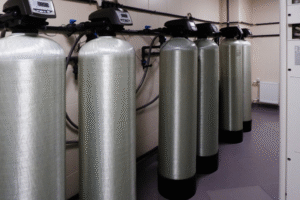
That’s why point-of‑use systems are becoming more common—and smarter. Instead of treating the whole house, you filter water right where you’re going to use it most. Think under-the-sink systems, shower filters, or faucet-mounted purifiers.
It’s like having a mini bodyguard for your water—right where you need it, without all the fuss or the upfront investment of a whole-house solution.
Chlorine: Hero or Villain?
Here’s where it gets interesting. Chlorine is the unsung hero of modern sanitation. It’s been credited with reducing waterborne diseases dramatically. But… it also happens to be one of the main reasons your water might smell like a public pool.
That distinct sharp scent? That’s chlorine doing its job—but sometimes it sticks around a bit longer than welcome. And while it’s technically safe in small doses, many homeowners prefer it out of their drinking water.
Cue chlorine reduction solutions. Whether it’s activated carbon filters, catalytic media, or vitamin-C-based showerheads, there are a dozen ways to dial down chlorine without compromising safety. Because let’s face it—no one wants to smell like bleach after a bath.
Not Just About Taste
People often assume water filtration is just about taste, and sure, that’s a big part of it. No one wants metallic coffee or tea that tastes like plastic. But it’s deeper than that.
Filtration can impact your hair texture, reduce skin irritation, and even protect your appliances from mineral buildup. Your washing machine, dishwasher, water heater—they all live longer and work better with cleaner, less corrosive water.
And that translates into real dollars. Cleaner water = fewer repairs. Fewer repairs = a happier wallet.
Layering Your Defense
So how do you decide what kind of filtration to use? That depends on your water report (yes, you should get one), your goals, and your budget.
Some folks go for a single under-sink unit with a carbon block. Others layer it up—sediment filters, reverse osmosis systems, even UV lights for added safety. It’s all about creating a stack that matches your lifestyle.
If your area is known for sediment or rust, a pre-filter might save your main system from clogging up. If you’re worried about viruses, a UV filter could be your ace in the hole.
There’s no single “right” setup—just the one that makes your life easier and your water better.
Knowledge Is Power (and Peace of Mind)
We often make the mistake of assuming our water is fine until it’s not. But waiting for a boil notice or skin rash isn’t a great strategy.
Take a proactive approach. Get a water test. Read your city’s annual water report. Ask neighbors what they’re using. Even just knowing what to look for—discoloration, odd smells, limescale—is a step in the right direction.
Once you’re aware, you can act. And there’s something really empowering about having control over what goes into your body every single day.
The Simple Joy of Great Water
Here’s the thing—when your water’s right, you don’t really think about it. Your shampoo lathers easily. Your tea tastes richer. Your dishes don’t come out cloudy. It’s not glamorous, but it’s kind of beautiful in its own quiet way.
Good water is one of those behind-the-scenes luxuries that just makes everything a little bit better. And once you’ve experienced it, going back is hard.
So whether you’re in a bustling city or a small town with aging infrastructure, there’s no harm in taking a second look at what’s flowing from your tap.
You just might be surprised at how much better it could be.
Wrapping It Up (But Not Filtering It Out)
We’re not here to tell you to throw out your tap water or panic over chlorine. But we are saying this: a little curiosity about your water can go a long way. From understanding how municipal water treatment works, to exploring point-of‑use systems, or investing in solutions focused on chlorine reduction, the options out there aren’t just practical—they’re empowering.