Water is one of those everyday essentials we rarely question until something changes. Perhaps the water tastes different, mineral deposits keep appearing around the faucets, or your appliances seem to need cleaning more often than they used to. These little frustrations can make homeowners wonder whether a filter is enough or whether a more comprehensive treatment system is needed.
The answer depends on the water itself. Every property has its own combination of plumbing, water sources, mineral content, and household demands. What works perfectly for one home might not make much difference in another. Taking time to understand these differences can help you make a sensible investment instead of spending money on equipment that doesn’t address the real problem.
Why One Water Treatment System Doesn’t Fit Every Home
Water quality varies for several reasons. Municipal supplies undergo treatment before distribution, while private wells draw water from local groundwater sources. Even within the same neighbourhood, differences in plumbing materials, storage tanks, and existing equipment can affect what comes out of a tap.
Hard water is a common example. It contains elevated levels of calcium and magnesium, which can leave chalky deposits on shower screens, reduce soap lather, and contribute to scale inside water heaters. Sediment, iron, chlorine taste, and certain dissolved contaminants present different challenges and may require entirely different solutions.
This is where specialty filtration systems can become relevant. Depending on their design, these systems may target particular substances or address water conditions that ordinary household filters are not intended to handle. The important point is to match the equipment to an identified concern rather than assume that a more complicated product will automatically deliver better water.
Start by considering what you’ve noticed around your home. Are stains appearing on laundry? Does the water smell unusual? Is the problem limited to the kitchen tap, or does it affect several bathrooms? These observations can help guide the next steps, although they cannot replace appropriate water testing.
Understanding More Complicated Water Problems
Some water concerns are relatively straightforward to identify. A hardness test, for instance, can help establish whether calcium and magnesium levels are contributing to scale. Other situations are less obvious, particularly when several water characteristics appear to be affecting the household at once.
Homeowners dealing with complex water quality concerns may need a more detailed assessment before choosing treatment equipment. Water can contain a mixture of minerals, suspended particles, and other substances, and each requires a suitable testing method. A basic screening test may provide useful information, but it won’t necessarily identify every contaminant that matters.
Consider a household where orange stains appear around sinks and toilets. Iron may be involved, but the cause should be confirmed rather than guessed. Installing a general-purpose carbon filter without checking its suitability for the water conditions may not solve the problem. Similarly, cloudy water could result from suspended particles, air bubbles, plumbing work, or another cause.
Testing should reflect the water source and the specific concern. Municipal customers can begin by reviewing their supplier’s water-quality report, while private well owners should follow local recommendations for testing and monitoring. When health-related contaminants are suspected, an appropriately certified laboratory can provide more reliable results than an informal demonstration.
A useful assessment should explain what was measured, what the findings mean, and whether further investigation is necessary. Clear information makes it easier to compare solutions without feeling pressured into buying equipment immediately.
How a Customized Filtration Plan Can Help
Once the water has been assessed, the next step is to select treatment that suits the property. Some households need filtration only for drinking and cooking water. Others may benefit from treatment at the point where water enters the home, particularly when the concern affects multiple fixtures or appliances.
A customized filtration plan considers the actual test results, daily water consumption, plumbing layout, available installation space, and the household’s maintenance preferences. Rather than relying on a standard package, the goal is to choose components that serve a clear purpose.
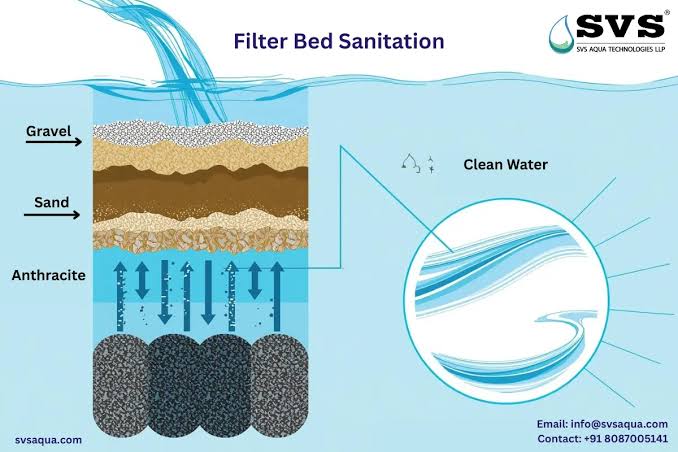
For example, a sediment filter may help capture particles before they enter household plumbing. Activated carbon can reduce certain tastes, odours, and selected compounds when the product is designed for those substances. A conventional water softener can reduce hardness minerals through ion exchange, while a properly selected reverse osmosis system can reduce many dissolved substances in drinking water.
These technologies aren’t interchangeable. A softener is not a universal purifier, and a sediment filter will not reliably remove every dissolved contaminant. A treatment plan should make those distinctions clear and explain what each component is expected to accomplish.
It’s also worth thinking about the future. A system that meets today’s needs should still be practical as household water use changes. Ask whether the equipment can handle peak demand, whether replacement parts are readily available, and how much routine servicing will cost.
Installation Is Only Part of the Process
Choosing suitable equipment is important, but installation plays a major role in how well it performs. Systems should be sized correctly, connected according to the manufacturer’s instructions, and positioned where filters and other components can be serviced without unnecessary difficulty.
Depending on the equipment, installation may involve drainage, electrical connections, additional plumbing, or adjustments to the existing layout. A qualified professional can help determine which requirements apply to the property and whether any local rules need to be considered.
Before agreeing to a project, request a written estimate that explains the proposed equipment, installation work, and any additional charges. Ask about expected flow rates, pressure changes, warranty coverage, and what happens if the system needs attention after installation. A clear explanation at the beginning can prevent misunderstandings later.
Maintenance deserves the same attention. Filters have limited service lives, softeners may require salt, and reverse osmosis membranes need replacement according to the manufacturer’s schedule. Neglecting these tasks can reduce performance, even when the original equipment was suitable.
Keep a simple record of filter changes, service visits, and water-test results. If the taste, odour, or appearance of the water changes unexpectedly, investigate the cause instead of assuming the equipment has failed.
Look at Long-Term Value, Not Just the Purchase Price
Water treatment is a household investment, so it’s reasonable to compare costs carefully. However, the cheapest system isn’t necessarily the most economical choice over time. Initial equipment costs, installation, replacement cartridges, electricity, water use, and servicing can all influence the total expense.
Ask providers to explain why they recommend a particular system and how its performance is supported. Independent certifications and clear product specifications can help you understand whether the equipment is designed to reduce the substances identified in your test results.
Be cautious of broad promises that one device will eliminate every water problem. No single treatment method is suitable for every situation, and the right approach should include honest information about limitations as well as benefits.
If a recommendation seems unnecessarily complicated, taking time to seek another professional opinion is perfectly reasonable. A reliable provider should be able to explain the options in straightforward language and give you room to make a considered decision.
Better Water Begins With Better Information
Improving water quality doesn’t have to involve guesswork or an expensive collection of equipment. Begin with the water source, identify the concerns that matter, and arrange testing appropriate to the situation. From there, compare treatment options based on verified performance, installation needs, and ongoing maintenance.
The most useful solution is one that addresses your household’s actual requirements without adding unnecessary cost or complexity. With a careful assessment and a realistic maintenance plan, you can make informed decisions and feel more confident about the water you use every day.