There’s something reassuring about turning on a tap and knowing the water is ready whenever you need it. You fill the kettle, wash vegetables, take a shower, and get on with your day without giving it much thought. But when your home depends on a private well, that everyday convenience comes with a little extra responsibility. The well, pump, pipes, and any treatment equipment all need attention to keep things running smoothly.
The good news is that maintaining a well doesn’t have to become a complicated project. A few sensible habits, regular inspections, and an understanding of how your water supply works can help you spot problems early and avoid unnecessary expenses.
Why Private Wells Need Consistent Attention
Unlike a municipal water supply, which is generally monitored and treated by a public utility, a household well is usually the owner’s responsibility. That means you need to know where your water comes from, how it reaches the house, and what might affect its condition.
Private wells draw water from underground aquifers, and the surrounding environment can influence what’s present in that water. Soil composition, nearby agricultural activity, septic systems, heavy rainfall, and flooding may all affect groundwater conditions. Even a well that has supplied a family for years without trouble can develop a problem over time.
Regular attention helps you understand what is normal for your property. If the water suddenly smells different or the pressure begins to fluctuate, you’ll be more likely to recognize the change and investigate it instead of dismissing it as a minor inconvenience.
The Importance of Testing Before Problems Appear
One of the most common mistakes homeowners make is assuming that clear water must be clean and safe. Unfortunately, that isn’t always true. Certain bacteria, nitrates, and dissolved contaminants may be present without changing the water’s appearance, taste, or smell.
Routine laboratory testing is therefore an important part of owning a well. In the United States, public health agencies commonly recommend testing private well water at least annually for coliform bacteria and nitrates, along with other locally relevant contaminants. Recommendations vary by location, so homeowners should follow the guidance of their local health authority.
Testing is particularly important after flooding, repairs to the well, or changes in the water’s color, odor, or taste. If someone in the household becomes ill and contaminated water is a possible cause, seek medical advice and contact the appropriate health authority.
Think of testing as a routine checkup. You wouldn’t wait for a car to break down before looking under the hood, and your water supply deserves similar care.
Small Warning Signs Can Tell You a Lot
Some problems are easy to notice once you know what to look for. White deposits around faucets may indicate hard water. Orange or reddish stains can be associated with iron, while a sulfur-like smell may suggest hydrogen sulfide. Low water pressure, sputtering taps, or a pump that switches on and off repeatedly can point to equipment issues.
Of course, symptoms aren’t definitive diagnoses. A rotten-egg odor, for instance, may originate in the water supply or develop in a drain or water heater. Cloudiness might come from harmless air bubbles, but persistent discoloration deserves investigation.
Pay attention to patterns. Does the problem affect every tap or only one? Did it begin after a storm? Is the pump running more frequently than usual? These details can help a qualified technician narrow down the cause.
If the water’s safety is uncertain, avoid drinking it or using it to prepare food until you have received appropriate guidance. Boiling can kill many disease-causing organisms, but it does not remove most chemical contaminants and may concentrate some of them. Follow local health instructions rather than relying on a general fix.
Protecting Water Safety Around Your Property
A well doesn’t exist in isolation. What happens in the surrounding area can eventually affect the groundwater below it. That’s why the condition of the wellhead and the land around it matters just as much as the equipment inside your home.
Good water safety practices start with simple steps. Keep the well cap secure, check that the casing appears intact, and make sure rainwater drains away from the well rather than pooling around it. Store fuel, pesticides, fertilizers, and other chemicals at a safe distance. Maintain septic systems properly, and never dispose of household chemicals where they could enter the soil or groundwater.
Flooding requires particular care. If floodwater reaches the wellhead, contaminants may enter through openings or damaged components. Arrange an inspection, follow local disinfection guidance, and have the water tested before assuming it is safe again.
It is also worth keeping a record of water test results and repairs. These records provide a useful history if something changes and help a new homeowner or service technician understand what has already been done.
Choosing Water Treatment Without Wasting Money
Not every well needs the same treatment equipment. Some households mainly struggle with hard water, while others need help addressing sediment, iron, unpleasant odors, or specific contaminants identified by laboratory testing.
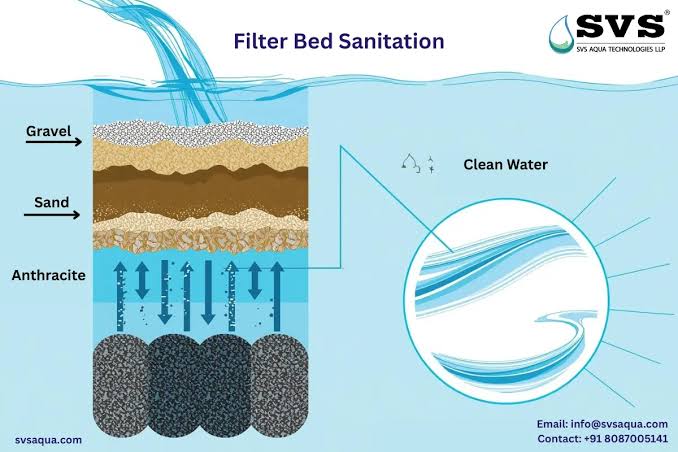
A water softener reduces hardness minerals, helping limit scale buildup in plumbing and appliances. Sediment filters capture suspended particles, and activated carbon may improve certain tastes and odors. Depending on the test results, disinfection or a more specialized treatment system might be necessary.
The key is matching the equipment to the problem. A filter advertised as a solution for everything may not remove the contaminant that actually concerns you. Before purchasing a system, ask which substances it is designed to reduce, whether its performance has been independently certified for that purpose, and how often filters or other components need replacement.
Don’t forget ongoing expenses. A treatment system may require electricity, replacement cartridges, salt, cleaning, or professional servicing. Knowing these costs beforehand makes it easier to choose something practical for your household and budget.
Maintaining the Pump and Other Essential Equipment
Even excellent groundwater won’t help much if the pump fails or the pressure system stops working properly. Pumps, pressure tanks, switches, electrical connections, and plumbing components all contribute to a reliable supply.
Changes in system performance can offer early clues that maintenance is needed. For example, a pump that cycles frequently might indicate a pressure-tank issue, a leak, or another fault. A sudden drop in pressure could be linked to the pump, a clogged filter, or a problem with the water level in the well.
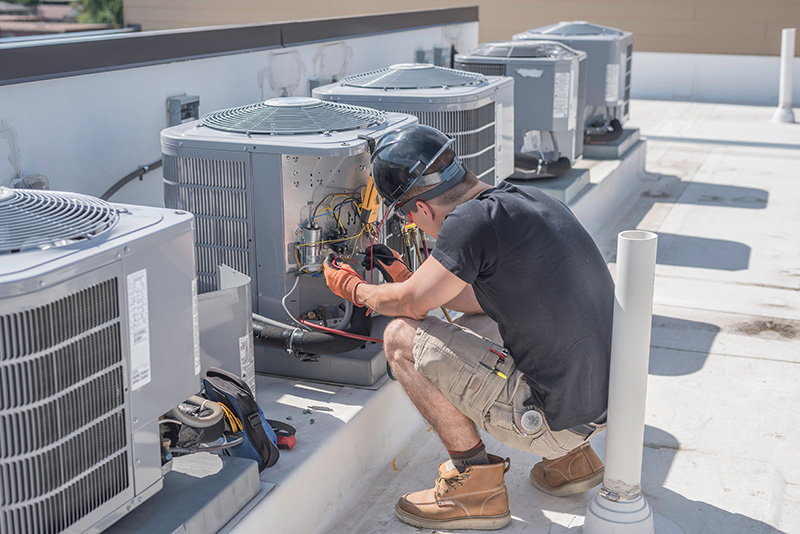
Avoid opening electrical equipment or attempting complicated pump repairs without the right training. A qualified well contractor can inspect the system, identify the likely cause, and explain which repairs are necessary. Routine checks can also help reveal worn parts before they fail completely.
If your home has a water treatment system, follow its maintenance schedule as well. An overdue filter or neglected disinfection unit may provide less protection than expected.
Building a Simple Routine That Works
Well maintenance becomes easier when it is part of your regular household routine. Schedule water testing, inspect the wellhead periodically, replace treatment filters on time, and arrange professional attention when equipment behaves unusually.
Keep contact details for a trusted well contractor and your local health authority somewhere accessible. If you buy a property with a private well, ask for the well construction details, recent laboratory results, and available service records. If that information is missing, start with an inspection and a baseline water test.
Most importantly, don’t wait for a serious problem before taking action. A little preventive care is usually less stressful than dealing with a failed pump, unexpected contamination, or an expensive repair at the worst possible moment.
A Better Well Starts with Everyday Care
A dependable well is the result of several things working together: a protected water source, properly maintained equipment, suitable treatment, and regular testing. None of these steps needs to be overwhelming, but each plays a meaningful role.
Pay attention to changes, keep useful records, and make decisions based on reliable test results rather than assumptions. With a practical maintenance routine, you can protect your household’s water supply, extend the life of essential equipment, and enjoy the simple comfort of having dependable water whenever you turn on the tap.