Buying a water filtration system can feel surprisingly complicated for something that’s supposed to make life easier. One product promises better-tasting water, another claims to reduce unwanted contaminants, and somewhere along the way, you start wondering whether reverse osmosis is something your household actually needs.
It’s easy to get confused, especially when different products seem to offer similar benefits.
For homeowners throughout Northeast Illinois, making sense of water treatment begins with understanding how different systems work and what problems they’re designed to address.
Having access to reliable water filtration information and FAQs can help you separate practical advice from marketing promises. Before spending money on equipment, it’s worth exploring some of the questions homeowners commonly ask about improving their water supply.
What Does a Water Filtration System Actually Do?
Water filtration involves reducing particular unwanted substances through physical, chemical, or membrane-based treatment methods.
Different filters perform different jobs. A sediment filter captures suspended particles, such as sand and dirt, while activated carbon filtration can help reduce certain chemicals and unpleasant tastes or odors.
However, an ordinary filter won’t necessarily reduce dissolved minerals responsible for water hardness.
That’s where choosing the right technology becomes important.
Think about the problem you’re trying to solve. Is your drinking water unpleasant to taste, or are you constantly removing mineral deposits from bathroom fixtures? These concerns generally require different treatment approaches.
Understanding that distinction can prevent unnecessary purchases.
How Does Reverse Osmosis Work?
Reverse osmosis might sound like something you’d encounter in a chemistry classroom, but the basic principle is relatively straightforward.
The process uses pressure to move water through a semipermeable membrane. This membrane helps separate water from various dissolved substances, producing treated water and a separate concentrate stream.
Many reverse osmosis questions and answers focus on whether this process removes every possible contaminant. The reality is that performance depends on the equipment’s design, membrane condition, operating circumstances, and specific contaminant reduction capabilities.
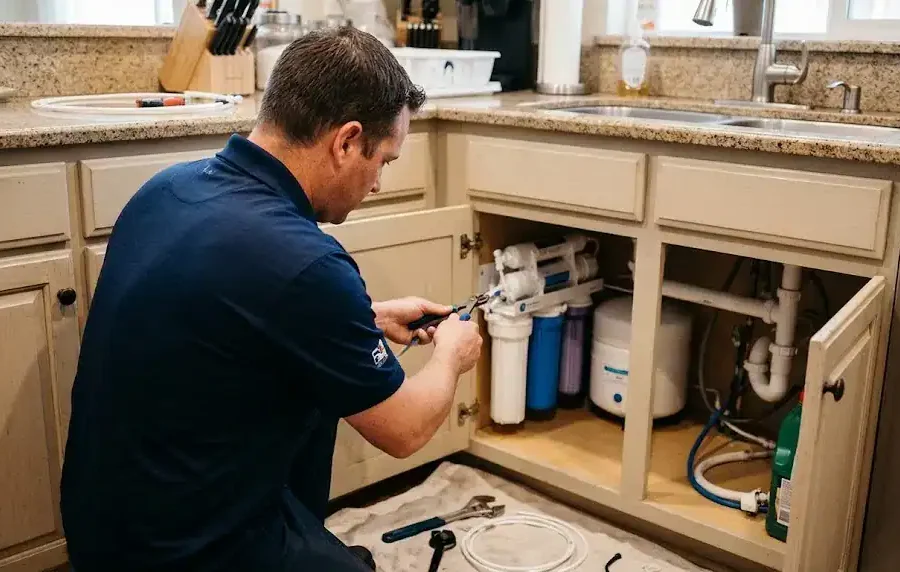
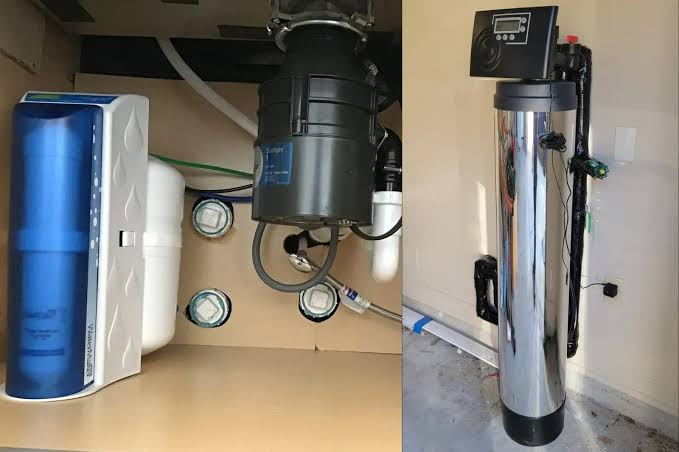
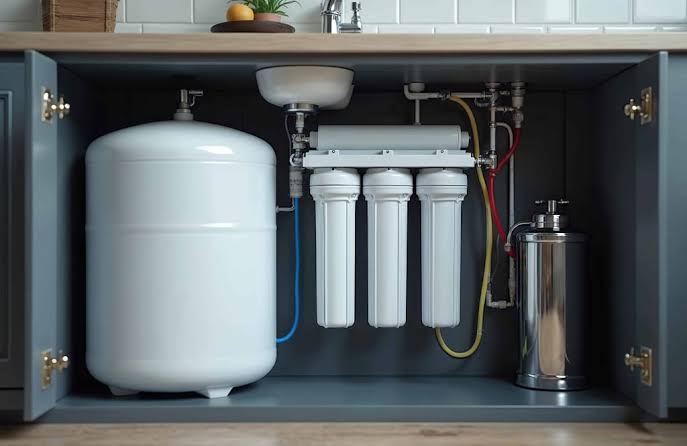
Residential systems are frequently installed beneath kitchen sinks, providing treated water through a dedicated faucet.
They’re particularly useful when testing identifies dissolved contaminants that the selected system is independently certified to reduce.
Will Filtered Water Automatically Be Safe to Drink?
Not necessarily. This is an important distinction that sometimes gets overlooked.
A filter that improves taste might not be designed to reduce harmful microorganisms or certain dissolved chemicals.
Reliable water quality treatment FAQs should emphasize the importance of appropriate testing, especially when households depend on private wells or have concerns about specific contaminants.
Water can appear perfectly clear and taste pleasant while still containing unwanted substances.
Municipal water customers can review their supplier’s annual water quality report, while private well owners should arrange regular laboratory testing.
The safest approach is selecting treatment equipment based on reliable findings rather than appearance or taste alone.
Should I Choose Whole-House Filtration or an Under-Sink System?
The answer depends largely on where you’re experiencing water quality problems.
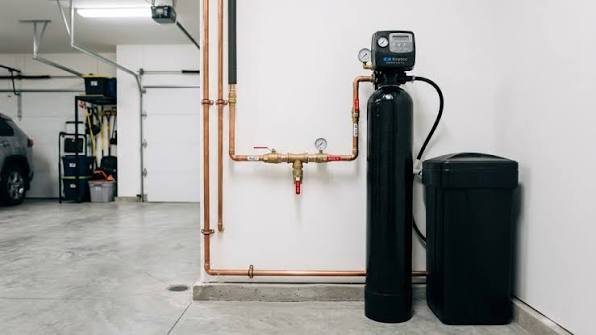
Whole-house filtration treats incoming water before it reaches multiple fixtures throughout the property. This arrangement may be useful for concerns involving sediment or specific unwanted substances that affect several household activities.
An under-sink system, meanwhile, concentrates treatment at a particular location, usually the kitchen.
If your primary concern involves water used for drinking and cooking, a dedicated kitchen system may be perfectly adequate.
Some households benefit from combining both approaches.
There’s no need to install more equipment than necessary, though. Start with your priorities and work backward toward a suitable treatment arrangement.
Does Reverse Osmosis Remove Beneficial Minerals?
Reverse osmosis can reduce dissolved minerals, including calcium and magnesium, along with various other substances.
This sometimes raises concerns among homeowners who wonder whether treated water provides enough minerals.
A balanced diet generally supplies most of the minerals people need. However, individual dietary requirements can vary.
Some reverse osmosis systems include remineralization stages that add selected minerals back into the treated water, often to adjust its taste.
Whether this feature is worthwhile depends on personal preferences and specific requirements.
It’s another reason to understand the purpose of each treatment stage instead of assuming more components automatically mean better water.
How Often Should Water Filters Be Replaced?
Unfortunately, filters don’t last forever. Their useful life depends on water consumption, incoming water quality, filter capacity, and manufacturer recommendations.
A household using substantial amounts of water may require more frequent cartridge replacement than a smaller household.
Reduced water flow or changes in taste can sometimes indicate that maintenance is needed. However, waiting for noticeable changes isn’t always reliable, particularly when treatment addresses contaminants without detectable tastes or odors.
Following recommended replacement schedules is a more dependable approach.
Before purchasing a system, ask about cartridge prices and replacement availability. Those small recurring expenses deserve consideration when planning your household budget.
Can Water Filtration and Softening Work Together?
Yes, and in certain households, combining these technologies makes practical sense.
A softening system can help reduce hardness throughout the property, while separate filtration equipment addresses specific drinking water concerns.
The appropriate arrangement depends on testing results, plumbing conditions, and your household’s treatment priorities.
A professional assessment can help determine whether one system is sufficient or several treatment stages would provide meaningful benefits.
Making Better Water a Simpler Decision
Water treatment doesn’t need to become an overwhelming household project. Understanding your water source, arranging appropriate testing, and choosing equipment with verified performance can make the process considerably easier.
For Northeast Illinois homeowners, the real value of treatment often appears in ordinary moments—a more enjoyable cup of coffee, fewer stubborn deposits, or greater confidence in how their drinking water is treated.
Start with questions, not purchases. The more clearly you understand your water, the easier it becomes to find a solution that’s genuinely worth bringing home.