It usually begins with something small. A few white spots on the kitchen faucet, a cloudy shower door, or a kettle that needs cleaning more often than it used to. Nothing particularly alarming, just another household chore to deal with. Over time, though, these little annoyances can become surprisingly expensive.
Water quality plays an important role in how well a home functions. From the condition of plumbing to the efficiency of everyday appliances, the effects of untreated water can reach further than many homeowners realise.
The good news? Understanding these problems and choosing an appropriate treatment solution can make a noticeable difference without turning your home upside down.
Why Hard Water Creates So Many Household Problems
Hard water contains relatively high levels of dissolved calcium and magnesium. These minerals occur naturally as water travels through soil and rock formations. Although hardness isn’t generally considered a health hazard, it can create several practical challenges around the home.
One of the most frustrating consequences is scale buildup on fixtures and appliances, particularly in areas where water is frequently heated or allowed to evaporate. Those chalky deposits around taps and inside kettles are familiar examples.
The bigger concern is what happens out of sight. Mineral deposits can gradually accumulate inside water heaters, dishwasher components, and plumbing fixtures.
Cleaning visible deposits might temporarily improve appearances, but it doesn’t address the underlying cause. That’s why some homeowners find themselves dealing with the same problems repeatedly, despite spending plenty of time and money on cleaning products.
The Financial Impact of Ignoring Water Quality
Nobody enjoys replacing a household appliance earlier than expected. Unfortunately, poor water conditions can sometimes contribute to additional wear and maintenance requirements.
Water heaters are a good example. When excessive mineral deposits accumulate on heating surfaces, they can interfere with heat transfer and potentially reduce efficiency.
Dishwashers and washing machines may also experience performance issues associated with mineral accumulation.
Then there are the smaller expenses. Buying extra detergent, regularly purchasing descaling products, and replacing clogged showerheads might not seem particularly costly at first. Add those expenses together over several years, however, and they become harder to dismiss.
Addressing water hardness early may help reduce some of these costs while making household maintenance considerably less frustrating.
When It Makes Sense to Seek Professional Help
There’s certainly no shortage of water treatment products available online. The difficulty lies in understanding which ones actually address your household’s particular concerns.
Investing in professional home water treatment can help take some of the uncertainty out of the process. Experienced specialists can assess your water supply, interpret testing results, and recommend equipment suited to your property’s requirements.
A proper assessment might reveal that hardness isn’t your only concern. Sediment, dissolved iron, or unpleasant chlorine tastes could also require attention.
Professional guidance is especially useful when several water quality issues exist simultaneously. Rather than purchasing multiple products independently, homeowners can explore compatible treatment methods that work together.
Sometimes, the simplest solution turns out to be the most effective one.
Finding the Right Balance Between Filtration and Conditioning
People often use the terms filtration and softening interchangeably, although they serve different purposes.
Filtration generally focuses on reducing specific unwanted substances, while conventional water softening addresses hardness minerals. Certain conditioning technologies, meanwhile, aim to reduce scale formation without actually removing calcium and magnesium.
A thoughtful approach to home water filtration and conditioning can address multiple water quality concerns while providing practical benefits throughout the property.
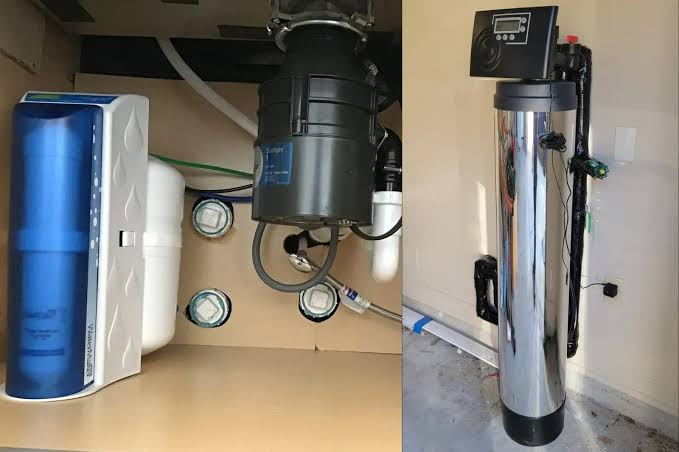
Activated carbon filters, for example, can reduce chlorine and certain unpleasant tastes. Sediment filters capture suspended particles, while reverse osmosis equipment can reduce various dissolved contaminants in drinking water.
Combining suitable technologies may be helpful for households with more complicated water conditions. However, there’s little reason to install equipment that doesn’t address an identified problem.
Small Changes You Might Notice Around the House
The benefits of appropriately treated water often become apparent during ordinary household activities.
You might spend less time scrubbing mineral deposits from bathroom surfaces. Soap may lather more easily after hardness is reduced, and freshly washed towels could feel softer.
Kitchen appliances may experience less scale accumulation, potentially reducing the frequency of descaling.
Better-tasting drinking water can be another welcome improvement, particularly for households accustomed to unpleasant chlorine flavours.
None of these changes will completely transform your lifestyle overnight. Still, there’s something satisfying about finding a practical solution to problems you’ve quietly put up with for years.
Keeping Your Water Treatment System Working Properly
Installing treatment equipment isn’t the end of the story. Like most household systems, it requires occasional maintenance.
Filter cartridges have limited service lives, traditional water softeners need salt replenishment, and certain components require periodic servicing.
Following the manufacturer’s recommendations helps maintain treatment performance. Keeping track of maintenance dates can also prevent small responsibilities from becoming bigger problems.
Homeowners relying on private wells should pay particular attention to regular water testing, since groundwater conditions can change over time.
It’s also worth investigating sudden changes in water pressure, appearance, or taste rather than assuming the equipment is functioning correctly.
Preventive maintenance isn’t glamorous, but neither is an unexpected plumbing repair.
Better Water Is Worth Thinking About
Home improvements don’t always need to involve fresh paint, expensive furniture, or complete renovations. Sometimes, the most valuable changes happen behind the scenes.
Addressing water quality concerns can help protect household equipment, simplify cleaning routines, and reduce avoidable maintenance expenses.
Start by understanding your water supply, choose treatment equipment based on genuine needs, and look after it properly.
After all, water is something your household depends on every single day. Giving it a little more attention now could make life considerably easier for years to come.